Design & Engineering

Dive into the technical side of cold-formed steel framing with detailed guides on structural design, load-bearing systems, wall assemblies, and BIM integration. This category is built for engineers, designers, and builders seeking accurate, practical knowledge to optimize steel framing performance and efficiency.

Filter posts by category

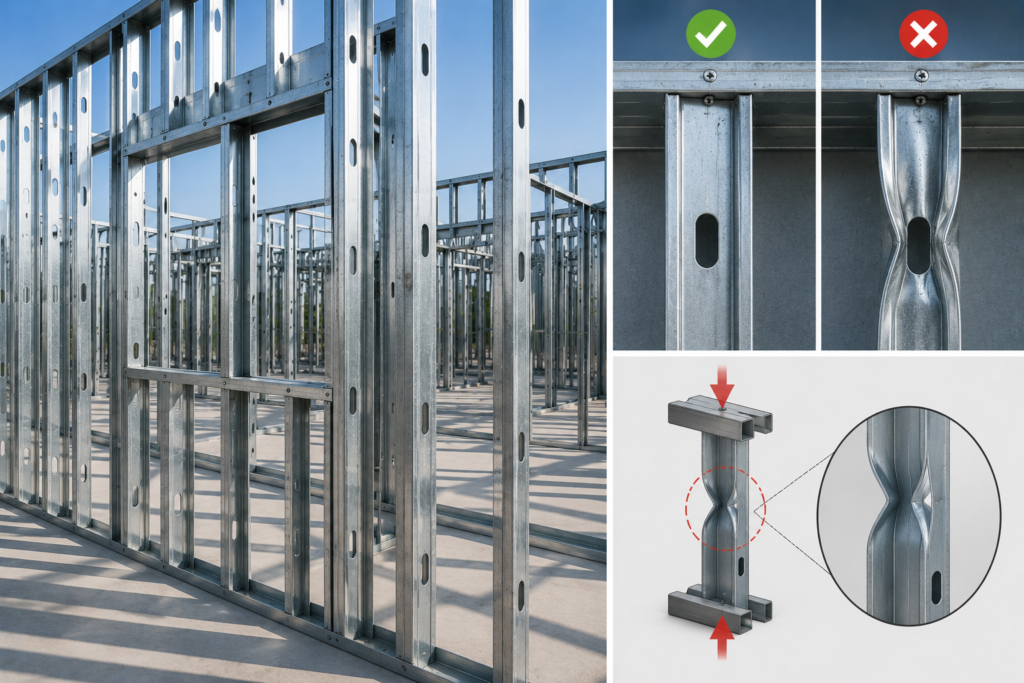
Web Crippling in Cold-Formed Steel: The Structural Failure Most Builders Never See

When builders think about structural failures in light steel framing, they usually focus on stud strength, connections, or load capacity. Very few think about web crippling in cold-formed steel. Yet web crippling is one of the most important failure modes engineers consider when designing cold-formed steel structures. It can occur even when the steel member itself appears more than strong enough to carry the load.

Web Crippling in Cold-Formed Steel: The Structural Failure Most Builders Never See Read More

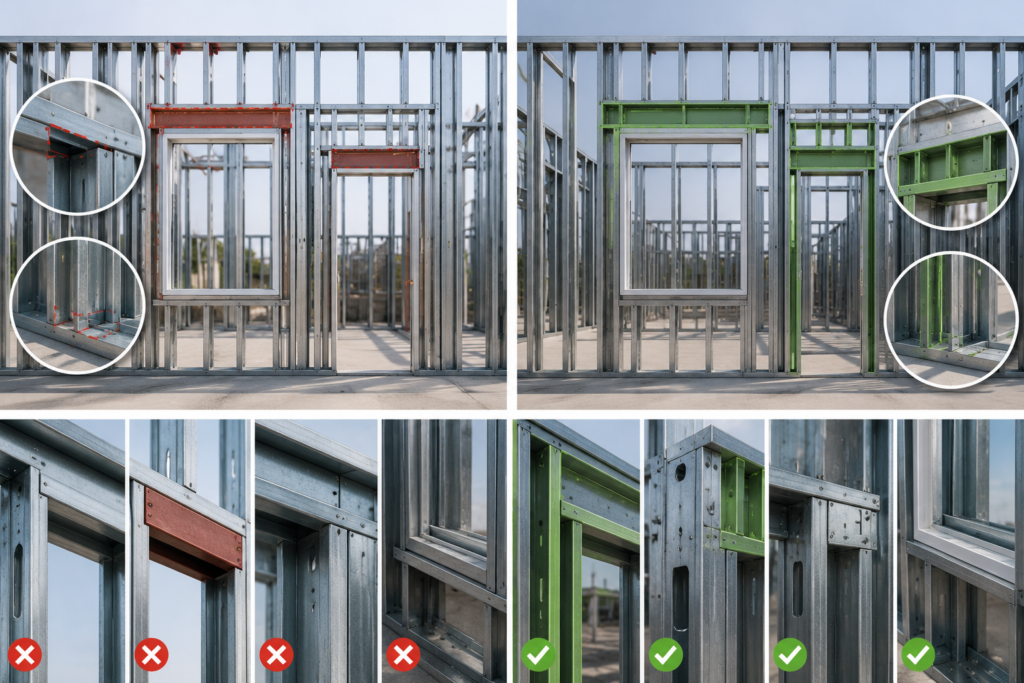
Header Design in Light Steel Framing: Common Mistakes Around Doors and Windows

Openings are some of the most critical areas in any light steel framing project. While most builders focus heavily on wall layouts and stud spacing, header design is often overlooked until problems begin to appear. For builders and developers across Ontario, understanding how headers work and where mistakes commonly occur is essential for avoiding costly rework and inspection delays.

Header Design in Light Steel Framing: Common Mistakes Around Doors and Windows Read More

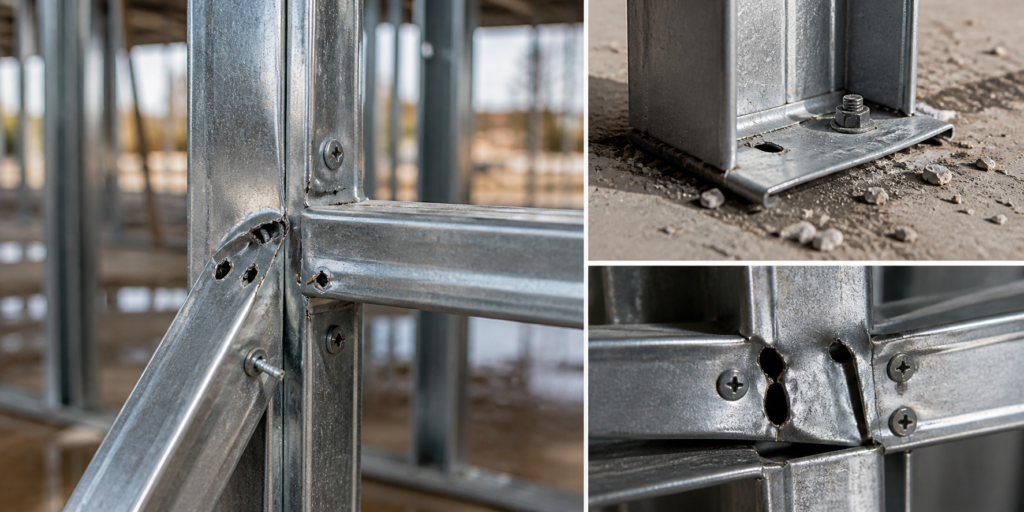
Cold-Formed Steel Connection Failures: Where Design and Site Reality Collide

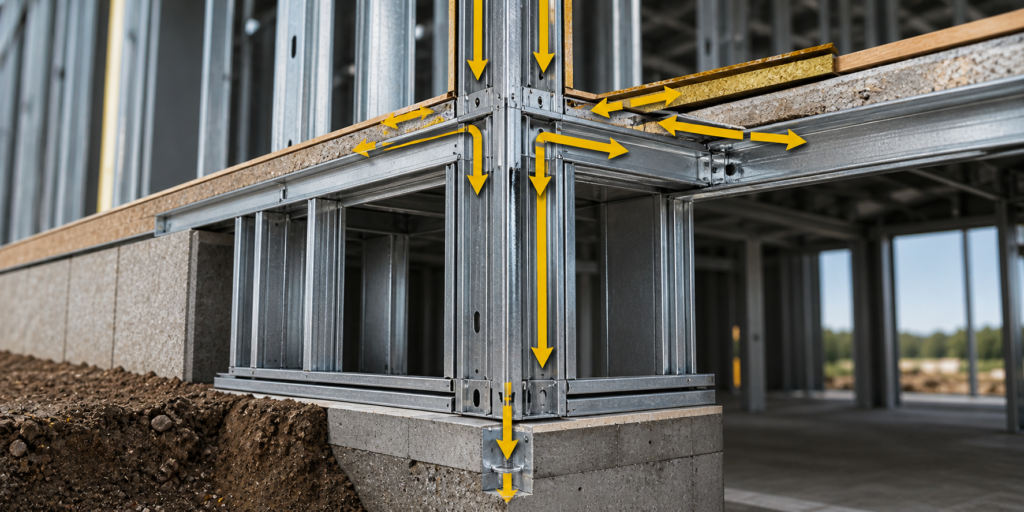
In light steel framing, most structural problems do not start with the studs. They start with the connections. That is why cold-formed steel connection failures are one of the most underestimated risks in Canadian construction. On drawings, everything looks precise and engineered. But once construction begins, small gaps between design intent and site execution can create real issues.

Cold-Formed Steel Connection Failures: Where Design and Site Reality Collide Read More

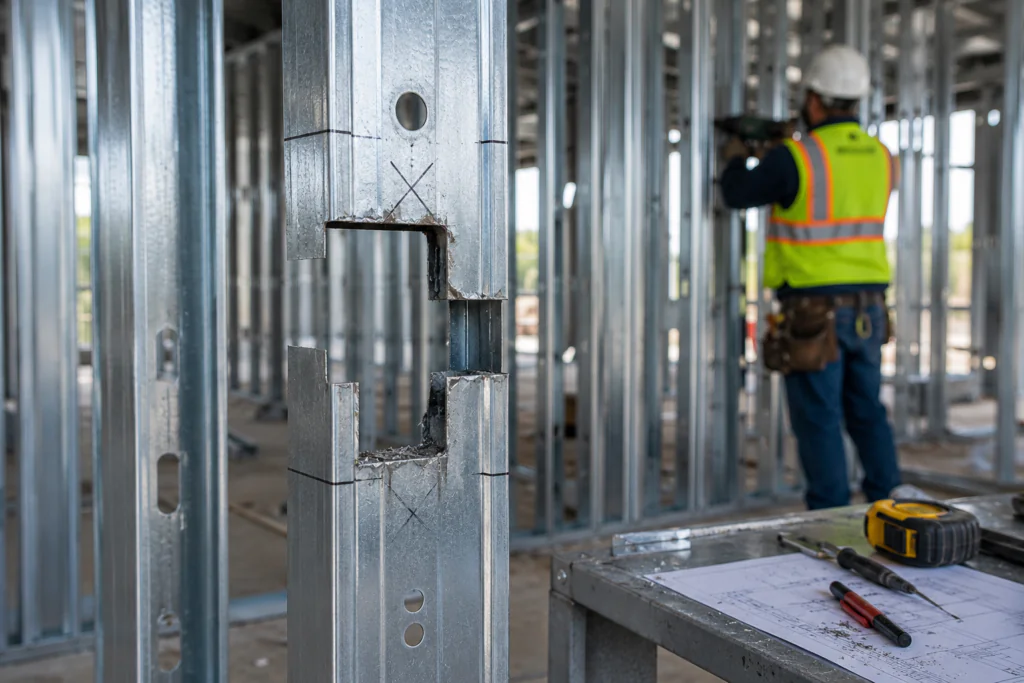
Design Flexibility in Light Steel Framing: How Architects Achieve More with CFS

As architectural demands continue to evolve, flexibility in structural systems has become a major design priority. This is one reason design flexibility in light steel framing is gaining attention across Canada. Architects today are being asked to do more with less. More density on tighter sites. More creativity under stricter budgets. More performance under tighter timelines.

Design Flexibility in Light Steel Framing: How Architects Achieve More with CFS Read More

Steel Studs Dimensions Explained: A Practical Guide for Modern Framing

Steel studs are essential components in cold-formed steel framing systems. Builders rely on them to create strong, precise wall structures in residential and commercial buildings. However, understanding steel studs dimensions is important when designing structural walls or interior partitions. The right size ensures structural stability, efficient installation, and compatibility with insulation and finishing materials.

Steel Studs Dimensions Explained: A Practical Guide for Modern Framing Read More

Scroll to Top