Design & Engineering

Dive into the technical side of cold-formed steel framing with detailed guides on structural design, load-bearing systems, wall assemblies, and BIM integration. This category is built for engineers, designers, and builders seeking accurate, practical knowledge to optimize steel framing performance and efficiency.

Filter posts by category

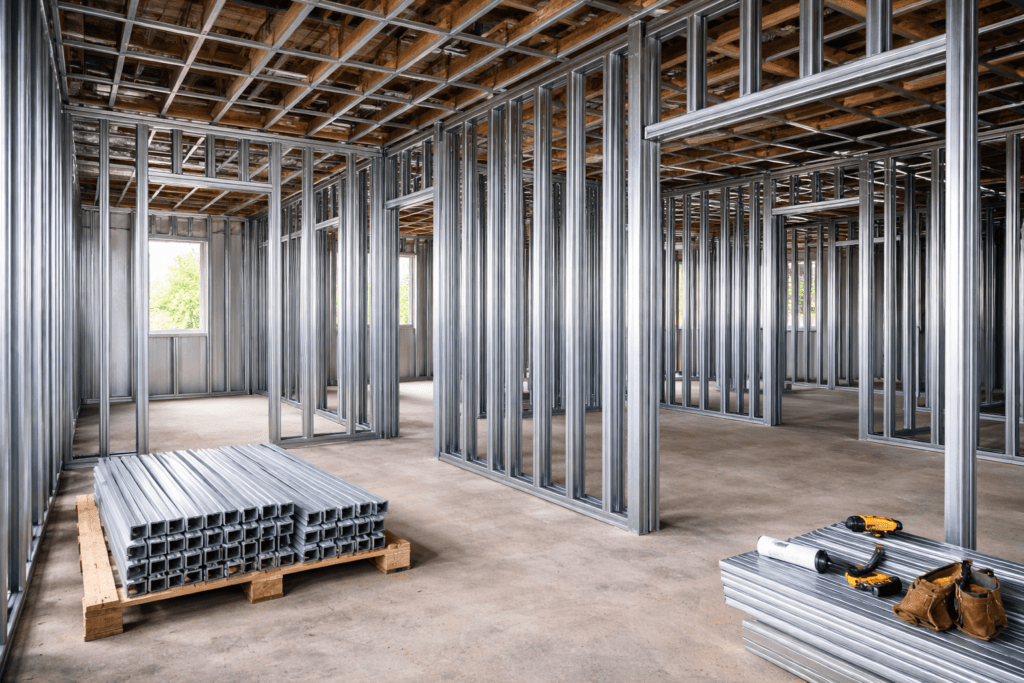
Mastering Light Steel Stud Framing Systems: A Complete Guide

Cold-formed steel (CFS) systems offer a myriad of advantages that make them a preferred choice in modern construction. Primarily, CFS is renowned for its strength-to-weight ratio. Steel is substantially stronger than wood, and when it’s cold-formed, this strength is heightened without adding excessive weight. This characteristic not only facilitates easier handling and installation but also ensures that structures built with CFS are robust and can withstand significant stress and strain.

Mastering Light Steel Stud Framing Systems: A Complete Guide Read More

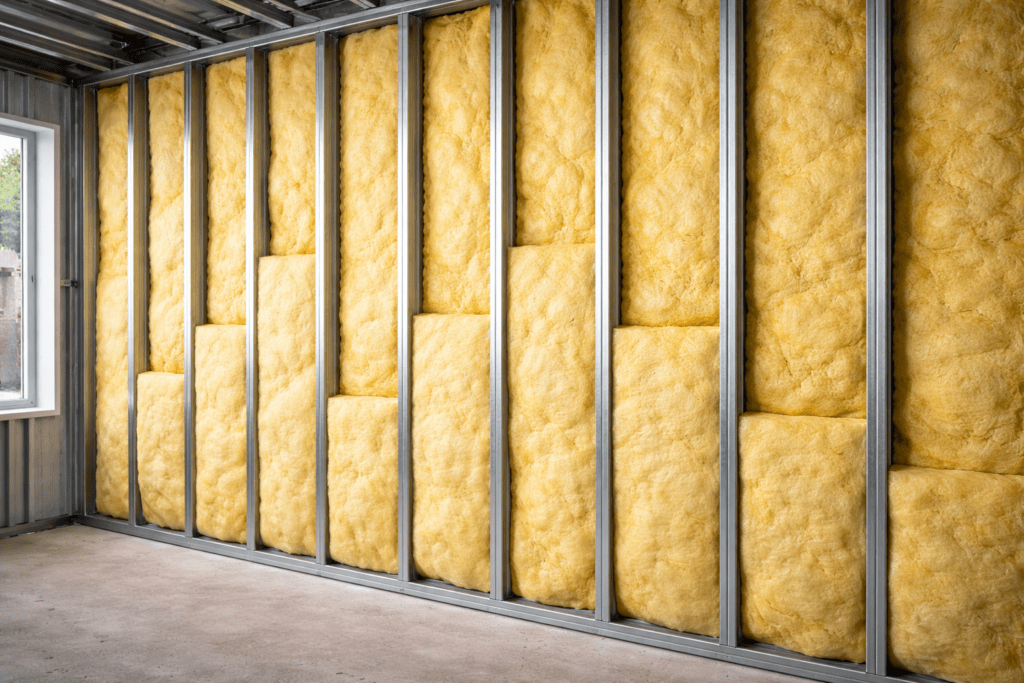
Wall Insulation in Cold-Formed Steel Framing: How to Achieve High Energy Efficiency

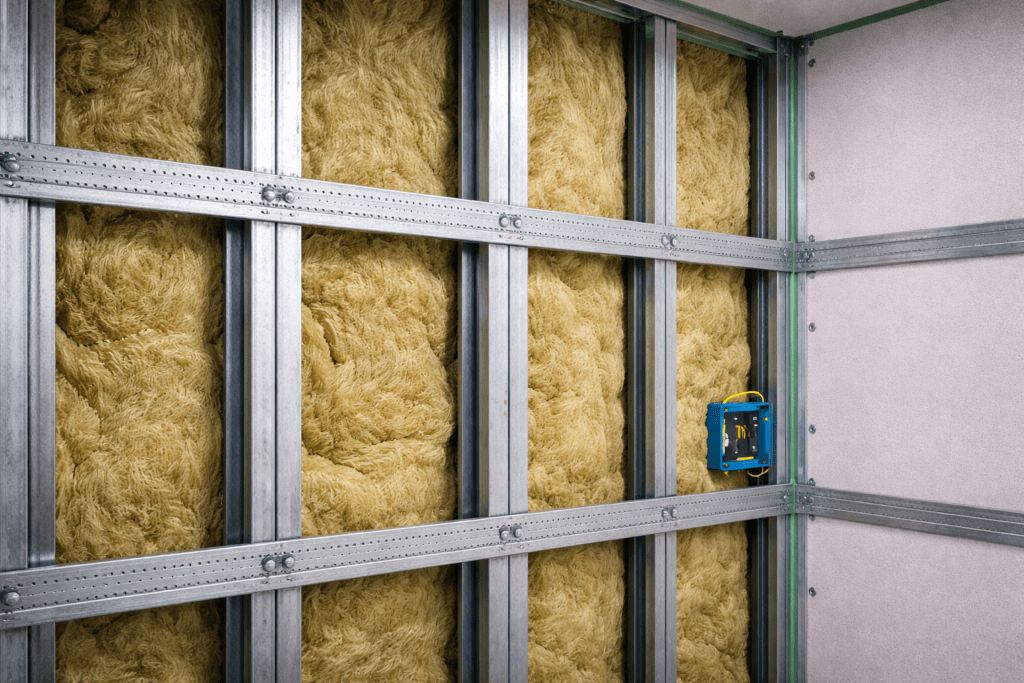
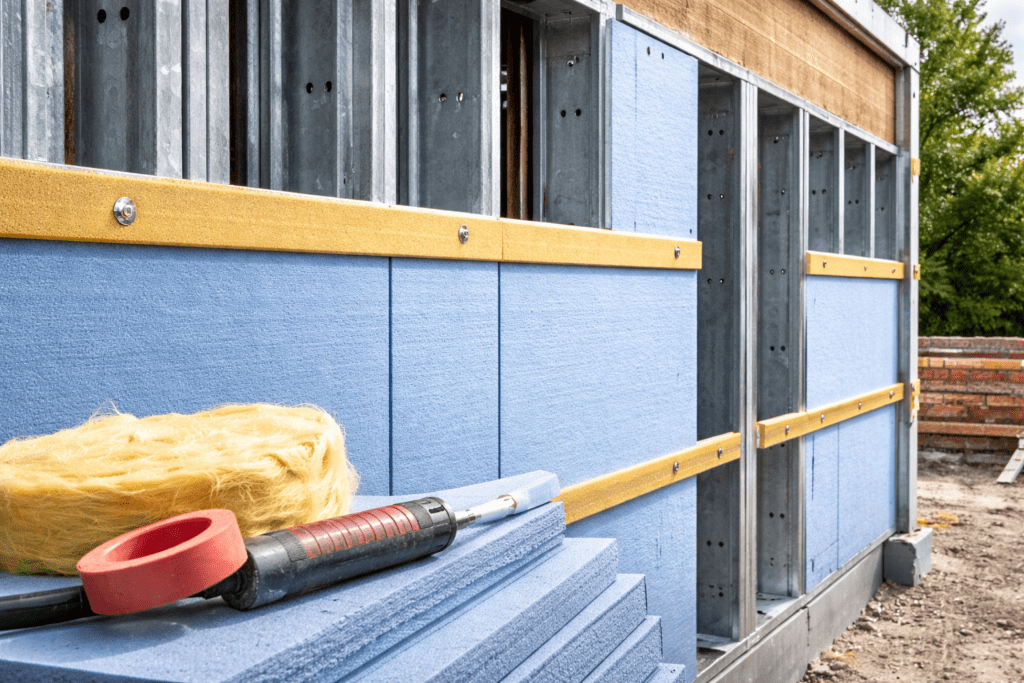
Wall insulation plays a critical role in modern building performance. In cold climates like Canada, insulation determines how well a building retains heat during winter and maintains indoor comfort throughout the year. Cold-formed steel framing systems support highly efficient insulation strategies when designed correctly. Builders can combine cavity insulation, continuous insulation, and air barrier systems to achieve strong thermal performance.

Wall Insulation in Cold-Formed Steel Framing: How to Achieve High Energy Efficiency Read More

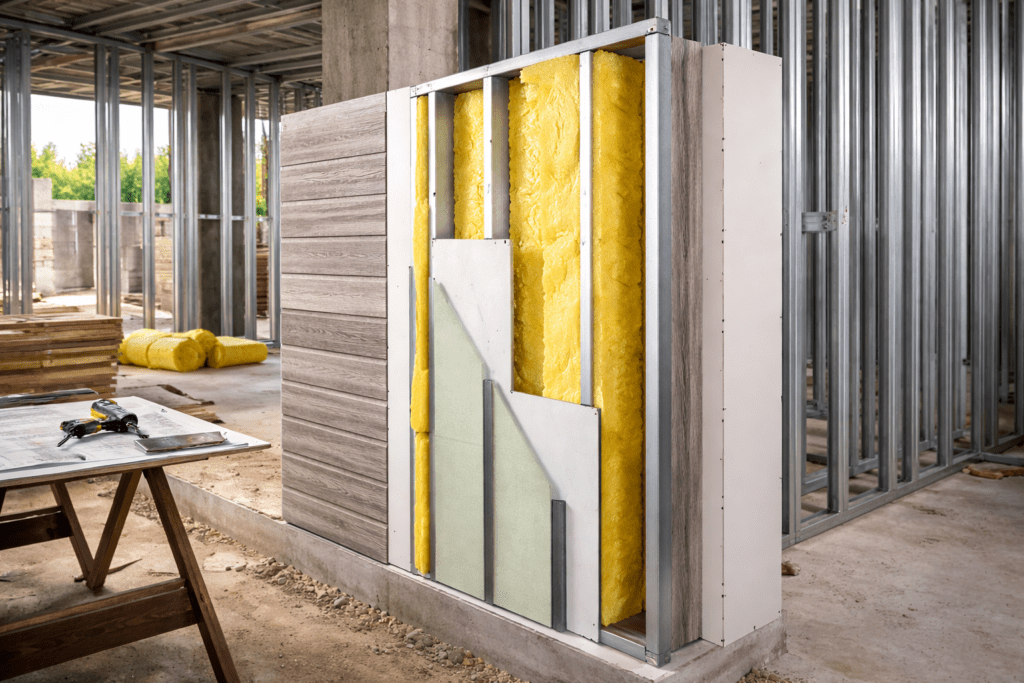
Typical Wall Assemblies for Cold-Formed Steel Framing in Canadian Residential Buildings

Cold-formed steel framing is widely used in Canadian residential construction because it delivers structural precision, durability, and predictable performance. One of the most important aspects of steel framing design is the wall assembly. A well-designed wall system controls structural loads, insulation performance, moisture protection, and fire resistance. Understanding the most common cold formed steel wall assembly Canada configurations helps builders, architects, and developers design buildings that meet code requirements while maintaining strong structural performance.

Typical Wall Assemblies for Cold-Formed Steel Framing in Canadian Residential Buildings Read More

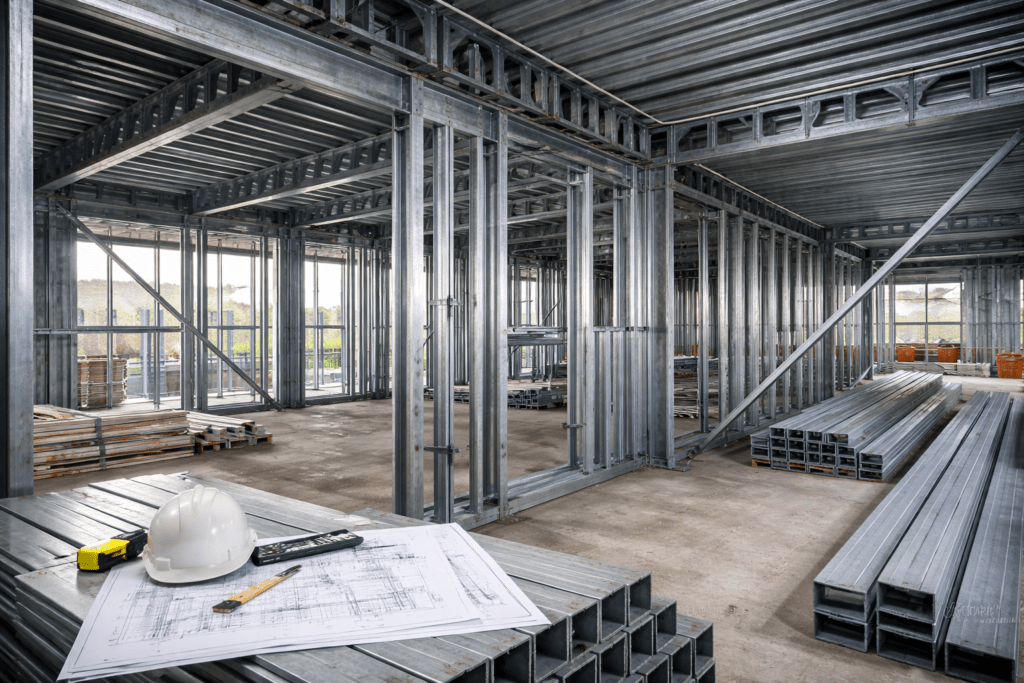
Digital Modeling and BIM Integration in Cold-Formed Steel Framing Projects

Construction in Canada is becoming more digital. Developers, architects, and engineers increasingly rely on Building Information Modeling to improve coordination, reduce errors, and control costs. For structural systems, digital workflows matter even more. Cold formed steel BIM integration Canada is changing how framing projects move from design to manufacturing to installation. It improves accuracy, reduces rework, and strengthens collaboration across trades.

Digital Modeling and BIM Integration in Cold-Formed Steel Framing Projects Read More

Understanding Load-Bearing Capacity in Cold-Formed Steel Framing

Cold formed steel load bearing capacity determines whether a structure performs safely under real-world conditions. It defines how much vertical and lateral load a steel-framed system can handle without failure. For developers, engineers, and builders in Canada, this is not theoretical. It directly impacts building height, stud spacing, floor design, and code compliance.

Understanding Load-Bearing Capacity in Cold-Formed Steel Framing Read More

Soundproofing Steel-Framed Walls in Canadian Construction

In Canadian cities, builders often rely on cold-formed steel studs for condominiums, multiplex infill and laneway homes. While steel framing offers strength and fire resistance, it transmits noise more easily than wood. Achieving soundproof steel framing in these developments is challenging but essential. Thin metal studs can carry voices, music and traffic noise between adjacent units, so even a basic shared wall can seem loud without proper treatment. Steel-stud walls are hollow and rigid, which amplifies vibration. Unlike wood studs, steel has little natural sound absorption. Builders must compensate by adding mass and damping materials (such as extra layers of gypsum board and insulation). Occupant comfort and privacy depend on effective soundproofing. Proper design and detailing of steel-stud walls ensures compliance with noise-control objectives and keeps multi-family dwellings quiet and comfortable.

Soundproofing Steel-Framed Walls in Canadian Construction Read More

How to Solve Thermal Bridging in Cold-Formed Steel Framing

Cold-formed steel thermal bridging is a critical issue for builders in Canada’s climate. Thermal bridging occurs when heat finds a path through highly conductive materials (like metal) that bypasses insulation. In steel-framed walls, the metal studs readily conduct heat straight through the building envelope, undermining the insulation’s effectiveness. This means cold-formed steel (CFS) structures can lose heat much faster than wood-frame buildings if not detailed properly. The good news is there are builder-friendly solutions to solve thermal bridging in CFS framing and meet energy codes. In this blog, we’ll explain what thermal bridging is, why it impacts steel more than wood, how it affects energy performance and R-values (and compliance with codes like Canada’s NECB), and practical solutions to combat it.

How to Solve Thermal Bridging in Cold-Formed Steel Framing Read More

Seismic Performance of Cold-Formed Steel Framing in Canadian Construction

Earthquake risk is not limited to British Columbia. Western Canada faces the highest exposure, but parts of Ontario and Quebec also require seismic design consideration under the National Building Code of Canada. For builders and developers working in these regions, structural performance under lateral loads is critical. That is why cold-formed steel framing seismic performance Canada has become a key topic in modern construction planning. Choosing the right structural system is not only about strength. It is about energy dissipation, ductility, and predictable behavior during seismic events.

Seismic Performance of Cold-Formed Steel Framing in Canadian Construction Read More

Scroll to Top