Advantages of Cold-Formed Steel (CFS) Systems
Cold-formed steel (CFS) systems offer a myriad of advantages that make them a preferred choice in modern construction. Primarily, CFS is renowned for its strength-to-weight ratio. Steel is substantially stronger than wood, and when it’s cold-formed, this strength is heightened without adding excessive weight. This characteristic not only facilitates easier handling and installation but also ensures that structures built with CFS are robust and can withstand significant stress and strain.
Another significant advantage of CFS systems is their resistance to environmental factors. Unlike wood, steel does not warp, split, or swell when exposed to moisture. This resistance to moisture translates to better longevity and lower maintenance costs over the lifespan of a building. Additionally, CFS is impervious to termites and other pests, which can wreak havoc on traditional wood framing. The non-combustible nature of steel also provides an added layer of safety, particularly in areas prone to fires.
Sustainability is a growing concern in the construction industry, and CFS systems offer an eco-friendly option. Steel is one of the most recycled materials globally, and CFS is no exception. Utilizing recycled steel reduces the need for raw materials and lessens the environmental impact. Furthermore, the precision manufacturing process of CFS results in minimal waste, contributing to a more sustainable construction practice. When considering the lifecycle of a structure, these sustainable attributes of CFS make it a superior choice for environmentally conscious builders.
Key Components of CFS Framing
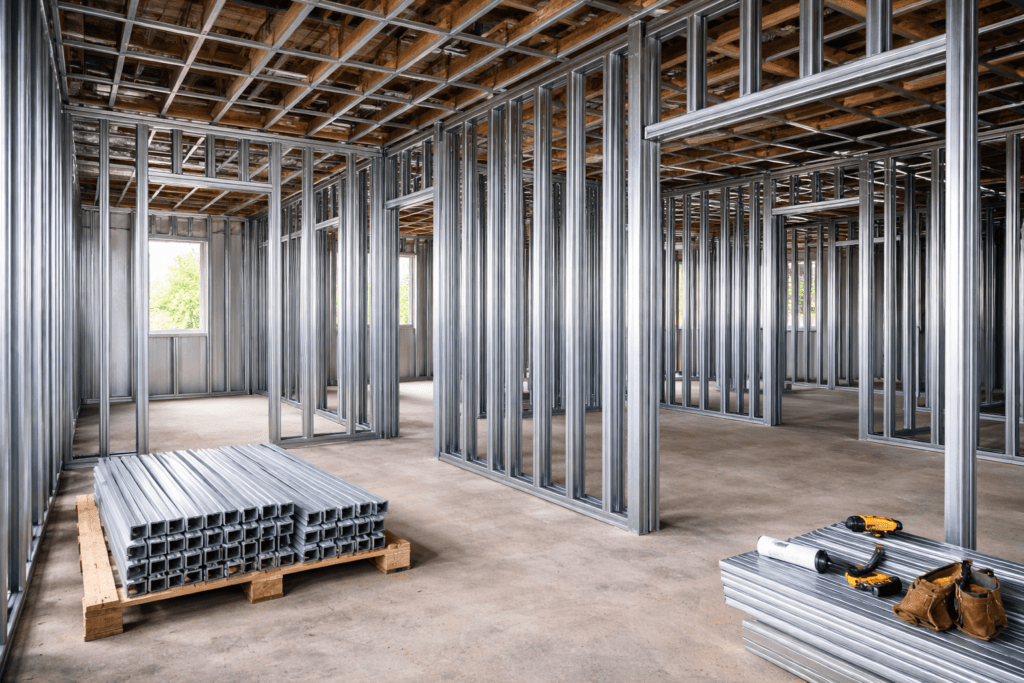
Understanding the key components of CFS framing is crucial for mastering its application. The primary component is the steel stud, which serves as the vertical framing element. Steel studs come in various sizes and gauges, depending on the structural requirements. They are designed to carry loads and provide the necessary support for walls, floors, and roofs. The precision with which these studs are manufactured ensures consistency and accuracy in construction, which is vital for maintaining structural integrity.
Another essential component is the track, which acts as the horizontal framing element. Tracks are used to hold the studs in place at the top and bottom of the wall. The integration of tracks and studs forms a rigid framework that can be further reinforced with additional bracing and connectors. The use of tracks simplifies the alignment and placement of studs, promoting uniformity and ease of assembly.
Connectors and fasteners are also integral to CFS framing systems. These include various types of screws, bolts, and clips that secure the studs to the tracks and other structural elements. Proper selection and application of these connectors ensure the stability and durability of the overall structure. Additionally, components like bridging channels and bracing enhance the rigidity of the frame, preventing lateral movement and increasing resistance to wind and seismic activities.
Comparison: CFS vs. Traditional Wood Framing
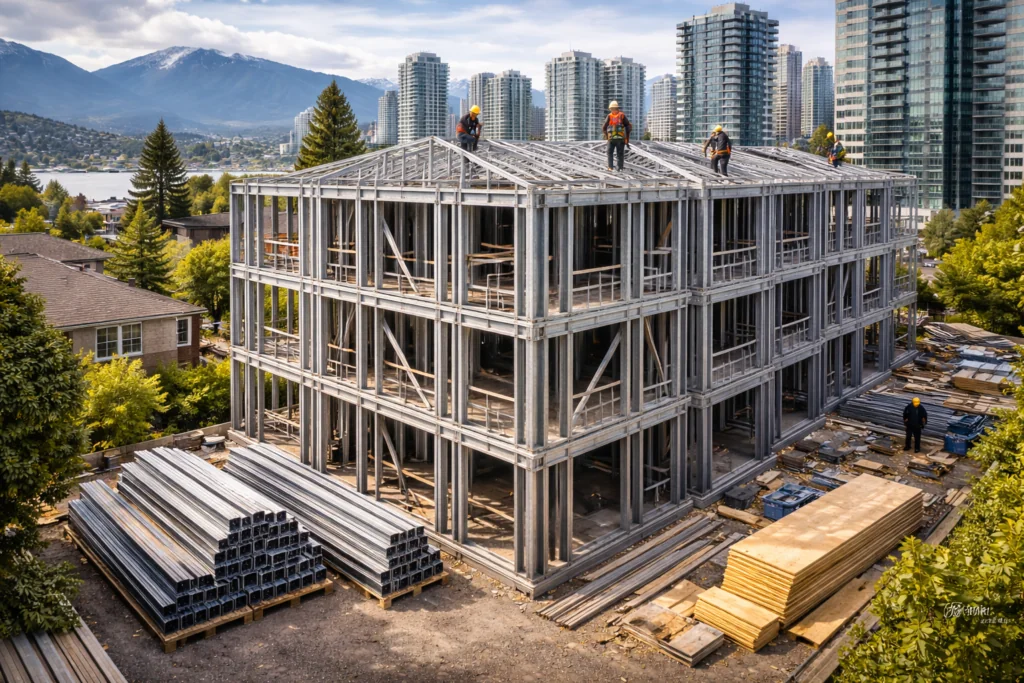
When comparing CFS to traditional wood framing, several distinct differences emerge, each with its own set of advantages and disadvantages. One of the most notable differences is the material’s physical properties. As mentioned earlier, steel is much stronger than wood, allowing for thinner and lighter framing members without compromising structural integrity. This results in a more efficient use of space and materials, which can be particularly beneficial in high-rise constructions and areas with limited space.
Durability is another area where CFS outshines wood framing. Wood is susceptible to rot, mold, and insect damage, all of which can significantly reduce the lifespan of a structure. In contrast, steel is impervious to these issues, offering a longer-lasting solution with fewer maintenance concerns. Additionally, steel’s resistance to fire hazards makes it a safer option, especially in regions prone to wildfires or in buildings where fire safety is a paramount concern.
However, there are some aspects where traditional wood framing holds an edge. For instance, wood is generally more cost-effective upfront compared to steel. The tools and techniques required for wood framing are also more familiar to many builders, which can translate to faster construction times and reduced labor costs. Additionally, wood as a renewable resource can be more environmentally friendly if sourced responsibly. Ultimately, the choice between CFS and wood framing depends on the specific needs and priorities of the project, such as budget, environmental conditions, and desired longevity.
Essential Tools and Equipment for CFS Construction
Embarking on a CFS construction project requires a specific set of tools and equipment to ensure proper installation and safety. One of the most crucial tools is the metal stud cutter, designed to cut through steel studs and tracks accurately. This tool is essential for achieving precise cuts that align perfectly, which is critical for maintaining the structural integrity of the frame. In addition, a chop saw with a metal-cutting blade can be used for cutting larger sections of steel efficiently.
A screw gun or impact driver is indispensable for fastening steel components together. These tools are designed to handle the high-torque requirements of driving screws into steel, ensuring a secure connection. Self-tapping screws are commonly used in CFS construction, as they can easily pierce through the steel without the need for pre-drilling. It’s also beneficial to have a variety of screw lengths and types on hand to accommodate different connection needs.
Leveling and measuring tools are equally important in CFS construction. A laser level can provide precise alignment for both horizontal and vertical components, ensuring that the frame is properly squared and plumb. Tape measures, framing squares, and chalk lines are also essential for marking and measuring steel components accurately. These tools help maintain the precision and accuracy that CFS construction demands, reducing the likelihood of errors and rework.
Step-by-Step Guide to Installing Light Steel Studs
Installing light steel studs involves a systematic approach to ensure a stable and durable frame. The first step is to prepare the workspace by clearing any debris and marking the layout of the walls on the floor and ceiling. This involves using a chalk line to create straight lines that indicate where the tracks will be placed. Accurate measurements are crucial at this stage to ensure the walls are square and properly aligned.
Next, the tracks are installed along the marked lines. The tracks serve as the base and top supports for the steel studs. They are fastened to the floor and ceiling using appropriate anchors or screws, depending on the substrate. It’s essential to ensure that the tracks are level and securely attached, as they will support the weight and alignment of the studs.
Once the tracks are in place, the steel studs are cut to the desired height and inserted into the tracks. The studs should be spaced according to the building code requirements, typically 16 or 24 inches on center. They are then secured to the tracks using self-tapping screws. It’s important to check that each stud is plumb and properly aligned before fastening. Additional bracing and connectors can be added to enhance the rigidity and stability of the frame. This step-by-step approach ensures a precise and reliable installation of light steel studs.
Common Mistakes to Avoid in CFS Framing
Even with meticulous planning, mistakes can occur during CFS framing, but being aware of common pitfalls can help avoid them. One frequent mistake is improper cutting of steel studs and tracks. Using the wrong tools or techniques can result in jagged edges and inaccurate cuts, compromising the fit and alignment of the frame. It’s essential to use appropriate cutting tools and methods to achieve clean, precise cuts.
Another common error is incorrect spacing of the studs. Failing to adhere to the specified spacing requirements can weaken the structural integrity of the wall. This mistake often arises from a lack of attention to detail or inaccurate measurements. Ensuring that studs are consistently spaced and properly aligned is crucial for maintaining the strength and stability of the frame.
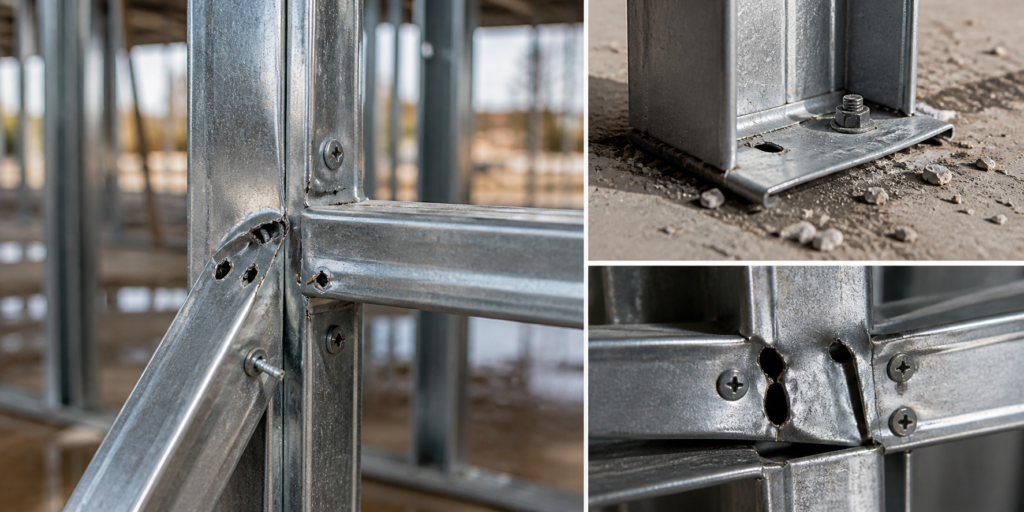
Inadequate fastening is also a prevalent issue. Using the wrong type or insufficient number of screws can lead to weak connections that may fail under load. It’s important to use self-tapping screws designed for metal and ensure they are driven in securely. Additionally, neglecting to add sufficient bracing and connectors can result in a frame that lacks rigidity and is prone to movement. Paying attention to these details and following best practices can help avoid these common mistakes in CFS framing.
Best Practices for CFS Framing in Residential and Commercial Projects
Adhering to best practices in CFS framing ensures the success and longevity of both residential and commercial projects. One fundamental practice is thorough planning and design. Before any construction begins, it’s crucial to have detailed plans that outline the layout, dimensions, and specifications of the frame. This includes understanding the load-bearing requirements and ensuring that the design complies with building codes and standards.
Quality control is another critical best practice. This involves regular inspections and checks throughout the construction process to ensure that all components are installed correctly and meet the necessary standards. This includes verifying that studs and tracks are properly aligned, fasteners are securely in place, and additional bracing and connectors are adequately installed. Quality control helps identify and address any issues early on, preventing costly rework and ensuring the structural integrity of the frame.
Safety is paramount in any construction project, and CFS framing is no exception. Workers should be trained in the proper handling and installation of steel components, and appropriate personal protective equipment (PPE) should be worn at all times. This includes gloves, safety glasses, and hearing protection. Additionally, maintaining a clean and organized worksite can help prevent accidents and ensure a safe working environment. By following these best practices, builders can achieve successful and durable CFS framing in both residential and commercial projects.
Innovations and Trends in Cold-Formed Steel Framing
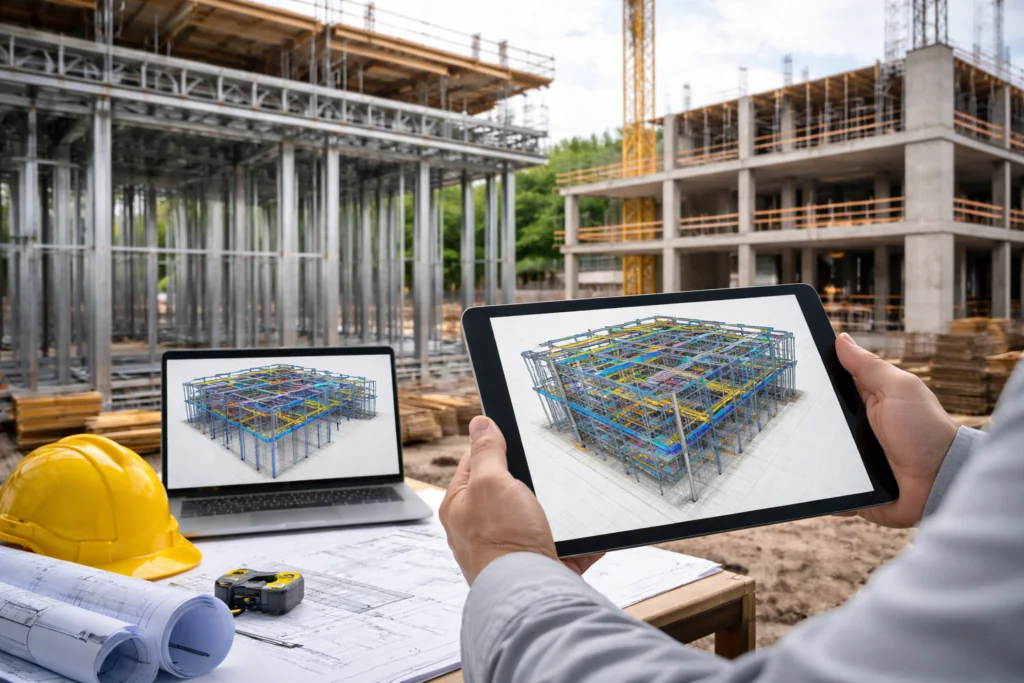
The construction industry is continually evolving, and CFS framing is no exception. One of the most notable trends is the integration of Building Information Modeling (BIM) in CFS projects. BIM allows for the creation of detailed 3D models that provide a comprehensive view of the project before construction begins. This technology enables better planning, coordination, and visualization, reducing the likelihood of errors and improving overall efficiency.
Another significant innovation is the development of advanced steel alloys and coatings that enhance the performance and durability of CFS components. These new materials are designed to provide greater resistance to corrosion, increasing the lifespan of the frame even in harsh environments. Additionally, advancements in manufacturing processes have led to more precise and efficient production of CFS components, reducing waste and lowering costs.
Sustainability continues to be a major focus in the construction industry, and CFS framing is no different. There is a growing emphasis on using recycled steel and implementing green building practices. This includes designing energy-efficient buildings that minimize environmental impact and promote sustainability. The combination of these innovations and trends is driving the evolution of CFS framing, making it a more efficient, durable, and environmentally friendly option for modern construction.
Conclusion and Future of CFS Systems
As we look to the future, the role of CFS systems in construction is poised to expand even further. The advantages of CFS, including its strength, durability, and sustainability, make it a compelling choice for a wide range of building projects. Ongoing innovations in materials, technology, and construction practices are continually enhancing the performance and efficiency of CFS framing, positioning it as a key player in the future of construction.
The increasing adoption of CFS systems in both residential and commercial projects is a testament to their versatility and reliability. As builders and architects continue to recognize the benefits of CFS, we can expect to see even more creative and innovative applications of this technology. Whether it’s in high-rise buildings, residential homes, or complex commercial structures, CFS framing offers a robust and sustainable solution that meets the demands of modern construction.
In conclusion, mastering light steel stud framing with CFS systems requires a thorough understanding of its advantages, components, and best practices. By embracing the innovations and trends shaping the industry, builders can harness the full potential of CFS framing to create efficient, durable, and sustainable structures. The future of CFS systems is bright, and those who invest in mastering this technology will be well-positioned to lead the way in modern construction.