Cold-formed steel framing is widely used in Canadian residential construction because it delivers structural precision, durability, and predictable performance. One of the most important aspects of steel framing design is the wall assembly. A well-designed wall system controls structural loads, insulation performance, moisture protection, and fire resistance.
Understanding the most common cold formed steel wall assembly Canada configurations helps builders, architects, and developers design buildings that meet code requirements while maintaining strong structural performance.
Below are several typical assemblies used in Canadian residential projects.
What Defines a Cold-Formed Steel Wall Assembly
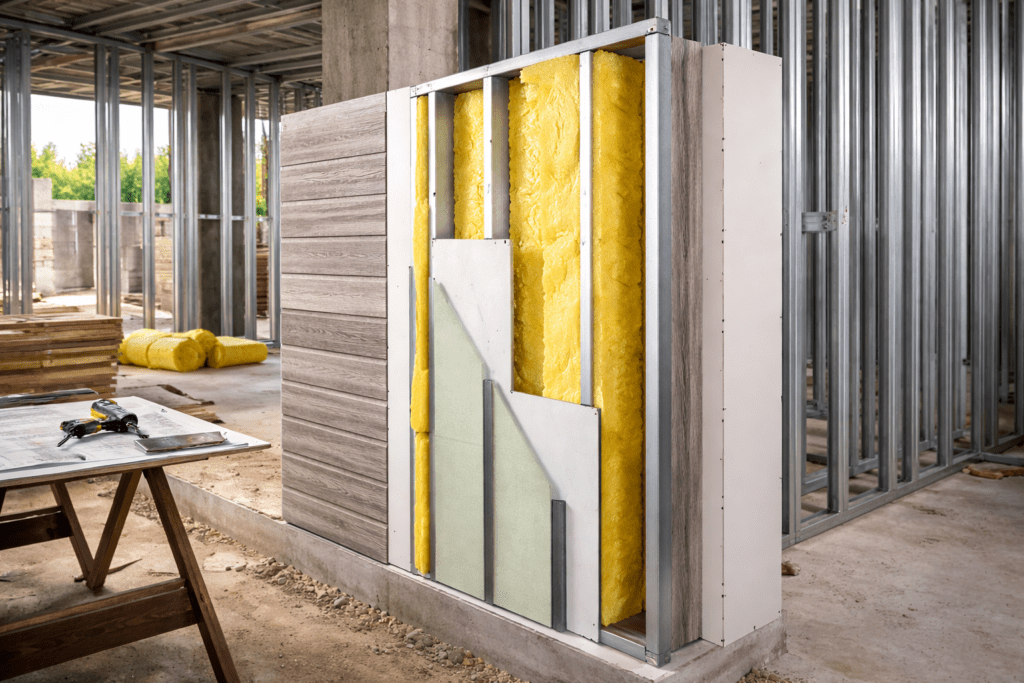
A wall assembly includes more than just structural studs. It consists of multiple layers that work together to create a complete building envelope.
Typical components include:
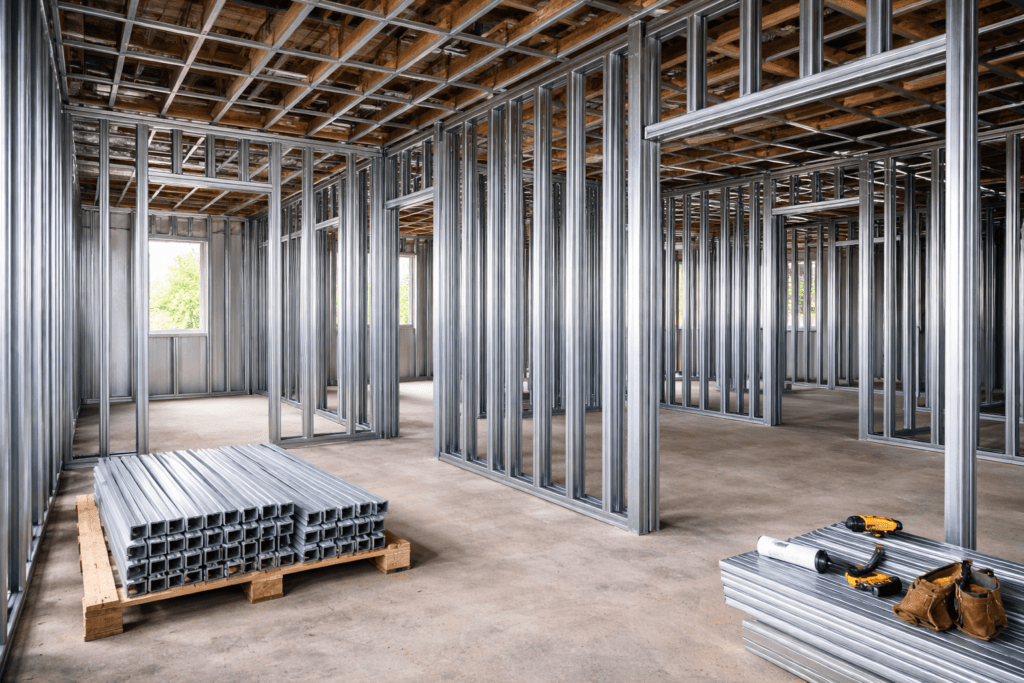
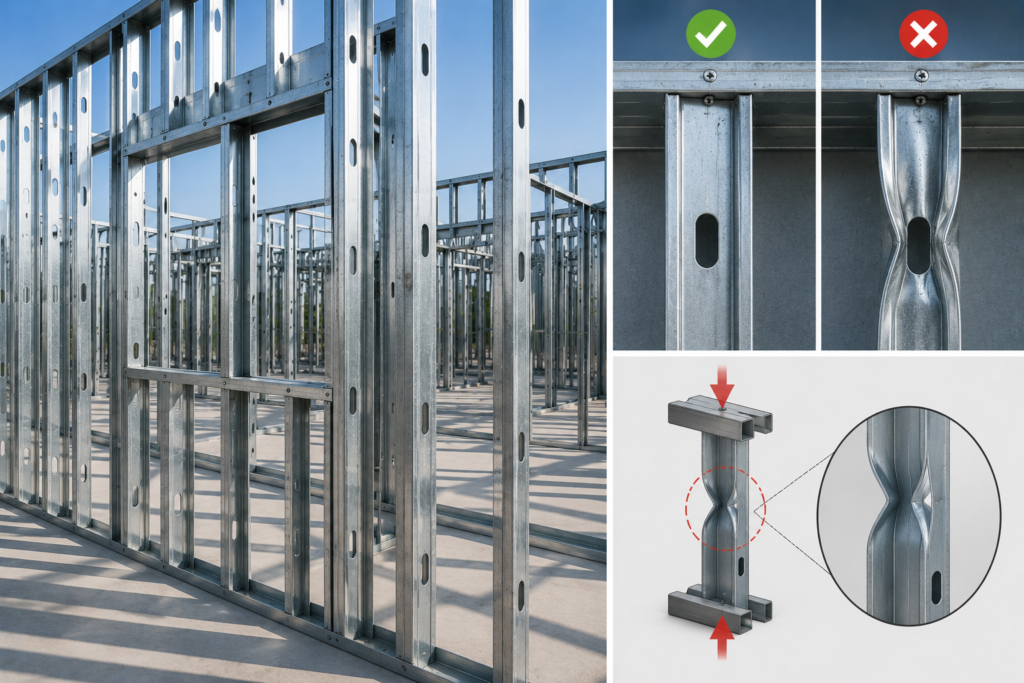
Cold-formed steel studs
Top and bottom tracks
Structural sheathing
Exterior insulation
Air barrier and vapor barrier systems
Interior drywall or finishing layers
Fasteners and connection hardware
Each layer serves a specific function. Together, they control structural loads, energy efficiency, and environmental protection.
Load-Bearing Exterior Wall Assembly
Load-bearing exterior walls support vertical loads from floors and roofs while also forming the building envelope.
A typical load-bearing cold-formed steel wall assembly includes:
18–20 gauge steel studs
Stud spacing at 16 inches on center
Structural sheathing such as gypsum or OSB
Exterior insulation board
Air barrier membrane
Exterior cladding system
Interior drywall finish
This assembly supports vertical structural loads while maintaining thermal performance. The exterior insulation layer reduces thermal bridging caused by steel framing.
Load-bearing steel walls are commonly used in low-rise and mid-rise residential buildings across Canada.
Exterior Insulated Wall System
Energy efficiency requirements in Canadian building codes make insulation a critical part of wall design.
A typical insulated cold-formed steel wall assembly includes:
Steel studs at 16 or 24 inches on center
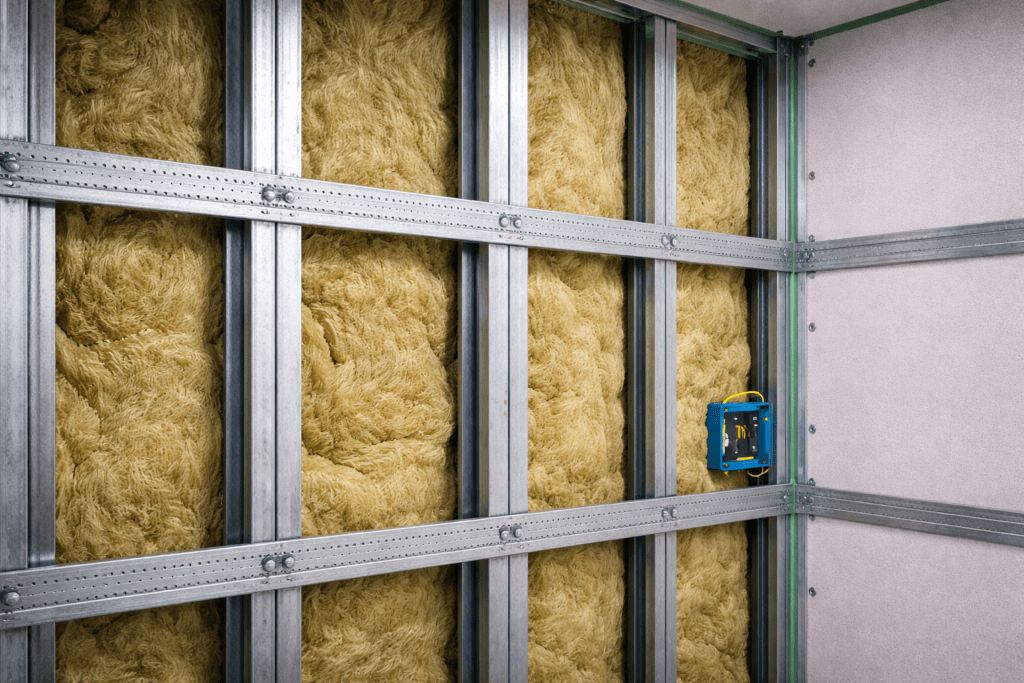
Batt insulation within the stud cavity
Continuous exterior rigid insulation
Sheathing membrane or air barrier
Exterior cladding such as brick, siding, or metal panels
Interior drywall layer
The combination of cavity insulation and exterior continuous insulation improves thermal resistance.
This assembly helps reduce heat loss during winter while maintaining energy efficiency standards.
Fire-Rated Party Wall Assembly
Multi-unit residential buildings require fire-rated separation between units.
A common party wall assembly in cold-formed steel framing includes:
Double steel stud walls or staggered studs
Fire-rated gypsum board layers
Mineral wool insulation
Independent framing on each side of the wall
These assemblies can achieve one-hour or two-hour fire ratings depending on the design.
Fire-rated walls prevent flame spread between residential units and support life safety requirements under Canadian building codes.
Cold-formed steel framing performs well in fire-rated assemblies because steel is non-combustible.
Interior Partition Wall Assembly
Interior partitions divide rooms but usually do not carry structural loads.
Typical interior partition assemblies include:
25 gauge steel studs
Stud spacing at 16 or 24 inches on center
Interior gypsum drywall on both sides
Optional acoustic insulation within the cavity
These walls are lightweight and easy to install. They support electrical wiring, plumbing lines, and mechanical systems without affecting structural performance.
Interior steel partitions are widely used in apartments, condos, and mixed-use developments.
Shear Wall Assembly for Lateral Stability
Shear walls resist lateral forces caused by wind and structural movement.
A typical cold-formed steel shear wall assembly includes:
Structural steel studs
Heavy gauge tracks
Structural sheathing such as plywood, OSB, or gypsum
Fasteners designed for shear resistance
Hold-down anchors at the foundation
Shear walls transfer lateral forces safely to the building foundation. In Canadian regions with strong wind loads, shear walls play a critical role in structural stability.
Proper engineering determines stud gauge, spacing, and fastener patterns.
Moisture Control in Canadian Wall Assemblies
Cold climates create unique moisture challenges. Snow, freeze-thaw cycles, and interior humidity can affect building envelopes.
Typical moisture control strategies include:
Exterior air barrier systems
Vapor barrier placement on the warm interior side
Continuous insulation to reduce condensation risk
Ventilated cladding systems
Cold-formed steel does not absorb moisture, which helps reduce mold risk compared to organic materials.
Properly designed wall assemblies manage moisture while maintaining indoor air quality.
Advantages of Steel Wall Assemblies
Cold-formed steel wall assemblies offer several advantages for Canadian residential construction.
Key benefits include:
Dimensional stability
Consistent structural performance
Resistance to warping and shrinkage
Improved fire safety
Precise manufacturing accuracy
These characteristics help builders maintain construction quality while reducing structural issues over time.
Steel framing also integrates easily with modern building envelope systems.
Choosing the Right Wall Assembly
Selecting the correct cold formed steel wall assembly Canada depends on several factors.
Important considerations include:
Structural load requirements
Fire rating requirements
Energy efficiency targets
Building height and occupancy type
Local climate conditions
Architects and engineers typically determine wall assembly specifications during design development. Manufacturers then fabricate framing components according to approved shop drawings.
Early coordination between designers and steel framing suppliers ensures efficient installation and code compliance.
Final Thoughts
Wall assemblies play a central role in cold-formed steel framing performance. They combine structural support, insulation, moisture protection, and fire safety into one integrated system.
Understanding common cold formed steel wall assembly Canada configurations helps builders design more efficient residential buildings.
When properly engineered and manufactured, steel wall systems provide durability, energy efficiency, and long-term structural stability.
For Canadian residential developments, cold-formed steel framing continues to offer a reliable and scalable construction solution.