Steel framing construction has become a trusted method for modern building projects. Builders and developers choose it because it delivers strength, accuracy, and long-term structural reliability.
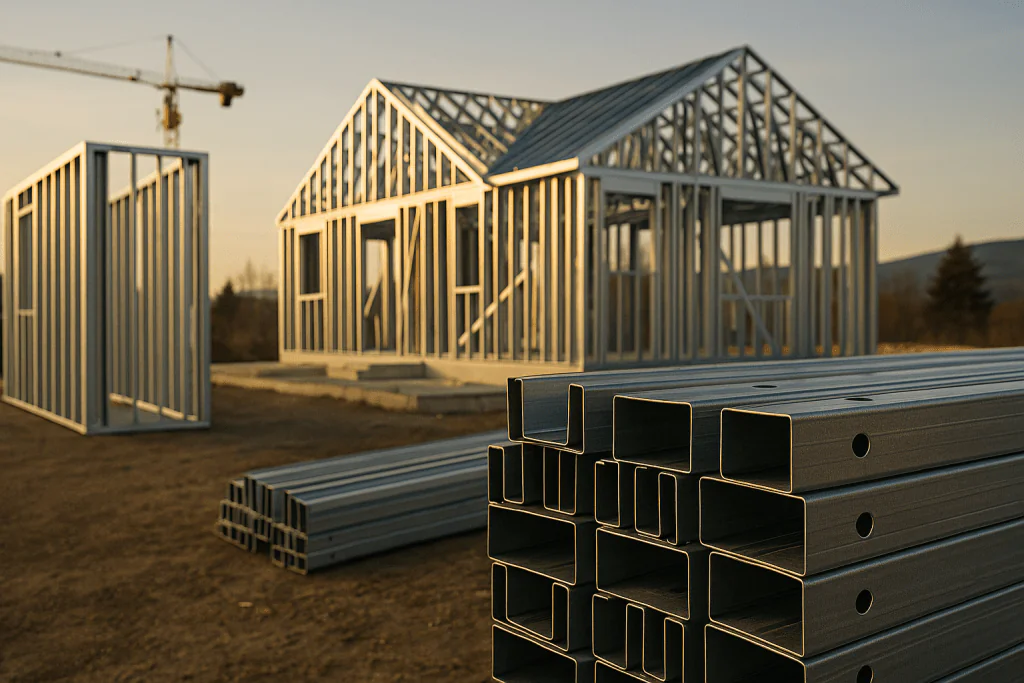
In this construction method, manufacturers produce steel studs, tracks, and structural members that form the skeleton of a building. These components support walls, floors, and roofs while maintaining stable dimensions over time.
Because of these advantages, this construction system continues to expand across residential and commercial projects.
What Is Steel Framing Construction
Steel framing construction uses engineered steel members to create the main structure of a building.
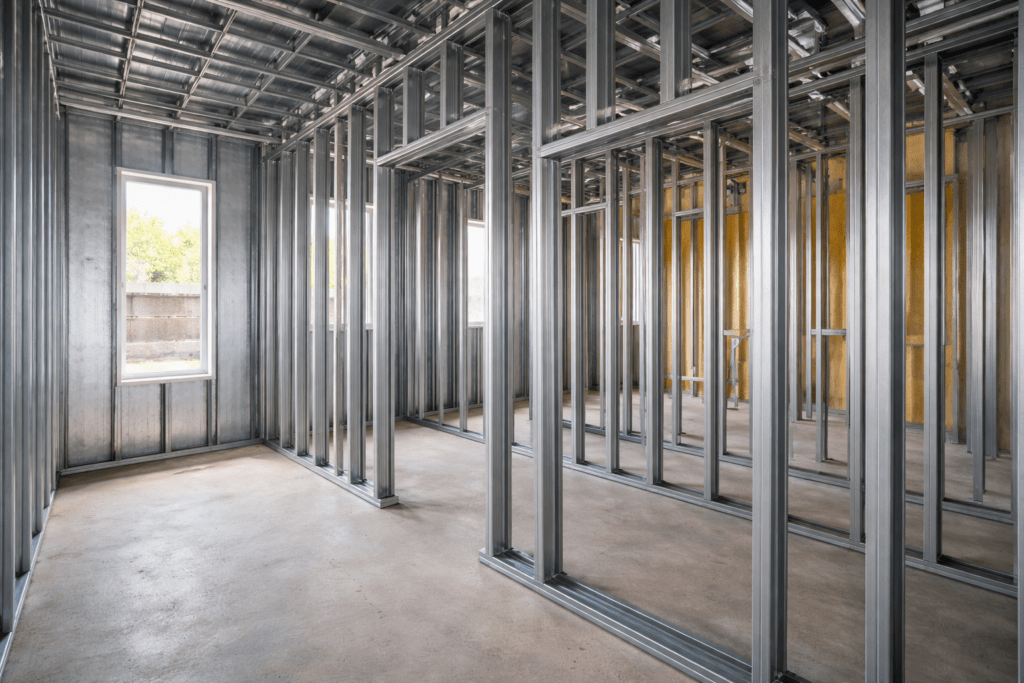
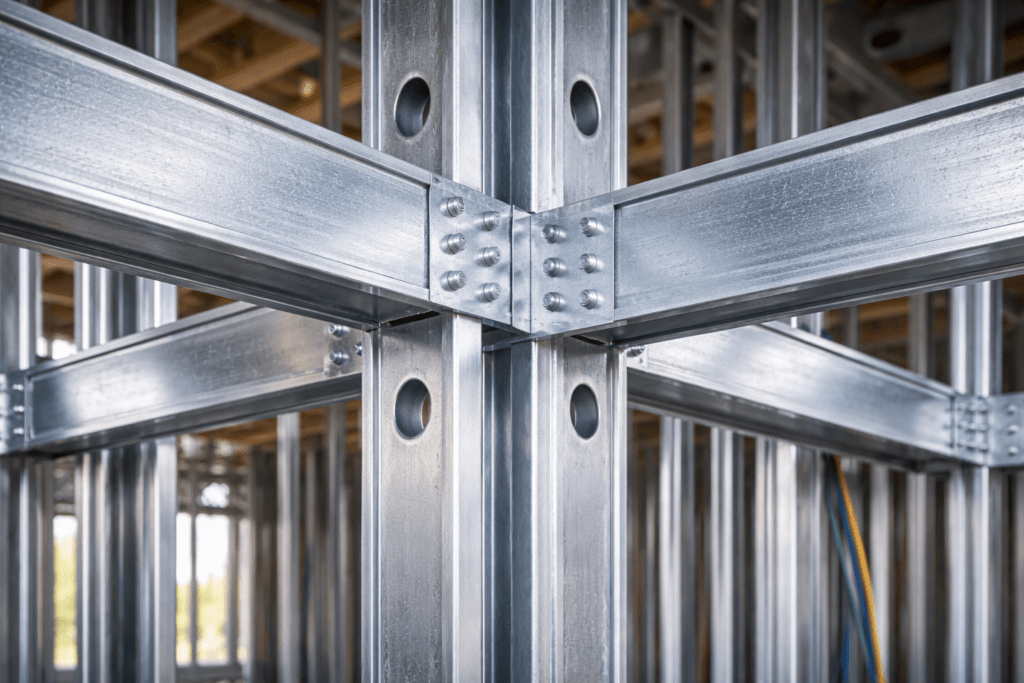
Instead of relying on wood or concrete framing alone, this method uses lightweight steel components that connect together to form load-bearing systems.
Typical components include:
Steel studs
Structural tracks
Floor joists
Roof framing members
Together, these parts form a complete structural framework that supports the entire building.
Because manufacturers produce these components with precise machinery, installation becomes faster and more accurate.
Why Builders Use Steel Framing Construction
Many builders prefer steel framing because it provides several key advantages.
Structural Strength
Steel offers high strength relative to its weight. Even thin steel members can support significant loads.
As a result, builders can create strong structural systems without using heavy materials.
Dimensional Accuracy
Steel components maintain consistent shapes and sizes during manufacturing.
Because of this precision, construction crews can assemble structural systems with fewer adjustments.
Long-Term Stability
Steel does not warp, twist, or shrink over time.
Therefore, buildings constructed with steel framing maintain stable walls and floors throughout their lifespan.
Common Applications of Steel Framing Construction
Steel framing construction appears in many building types.
Builders often use it in:
Residential housing developments
Multi-unit apartment buildings
Commercial properties
Interior partition walls
Modular construction systems
Because steel framing offers flexibility in design, architects can use it for both small residential projects and large developments.
Advantages Over Traditional Framing Materials
Many developers compare steel construction with traditional wood framing.
Steel provides several benefits in this comparison.
First, steel does not support mold, termites, or rot. This helps protect the structure from common building problems.
Second, steel maintains its shape even when humidity changes. Wood framing can expand or shrink in similar conditions.
Finally, steel components arrive with consistent dimensions. This precision often reduces installation time and construction waste.
Because of these factors, many developers now choose steel framing construction for long-lasting structural performance.
Steel Framing and Fire Safety
Steel is a non-combustible material. Therefore, it does not contribute fuel during a fire.
When combined with proper wall assemblies and fire-rated materials, steel framing systems can achieve strong fire-resistance ratings.
This safety advantage makes steel framing suitable for many residential and commercial buildings.
Sustainability Benefits of Steel Construction
Steel also supports sustainable construction practices.
Most structural steel products contain recycled material. In addition, steel remains one of the most recyclable materials used in construction.
Because manufacturers produce steel components with precise measurements, construction sites generate less material waste.
These factors help reduce environmental impact while maintaining structural performance.
Final Thoughts
Steel framing construction offers strength, precision, and long-term durability. Builders and developers rely on this method because it produces stable structures that resist warping, moisture damage, and structural movement.
As modern building practices continue to evolve, steel framing construction will remain an important solution for residential and commercial projects.
Its combination of reliability, efficiency, and structural performance makes it a strong choice for modern construction systems.