Light gauge steel has become a key material in modern construction. Builders use it to create strong, lightweight structural framing systems for residential and commercial buildings.
Unlike traditional heavy structural steel, light gauge steel uses thin steel sections that manufacturers form into studs, tracks, and framing components. These elements provide structural support while remaining easy to transport and install.
Because of its strength, precision, and durability, light gauge steel framing continues to grow in popularity across North America.
What Is Light Gauge Steel
Light gauge steel refers to thin steel sheets that manufacturers shape into structural framing components.
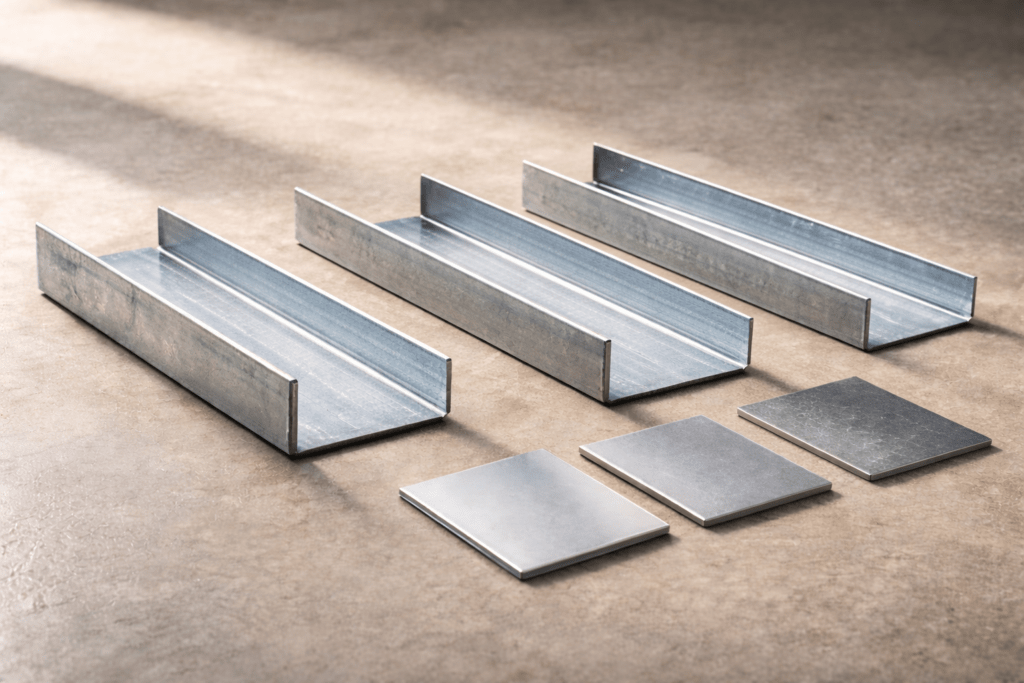
These steel sheets usually range from about 0.5 mm to 3 mm in thickness. Manufacturers then roll-form the sheets into structural profiles such as:
Steel studs
Steel tracks
C-sections
U-channels
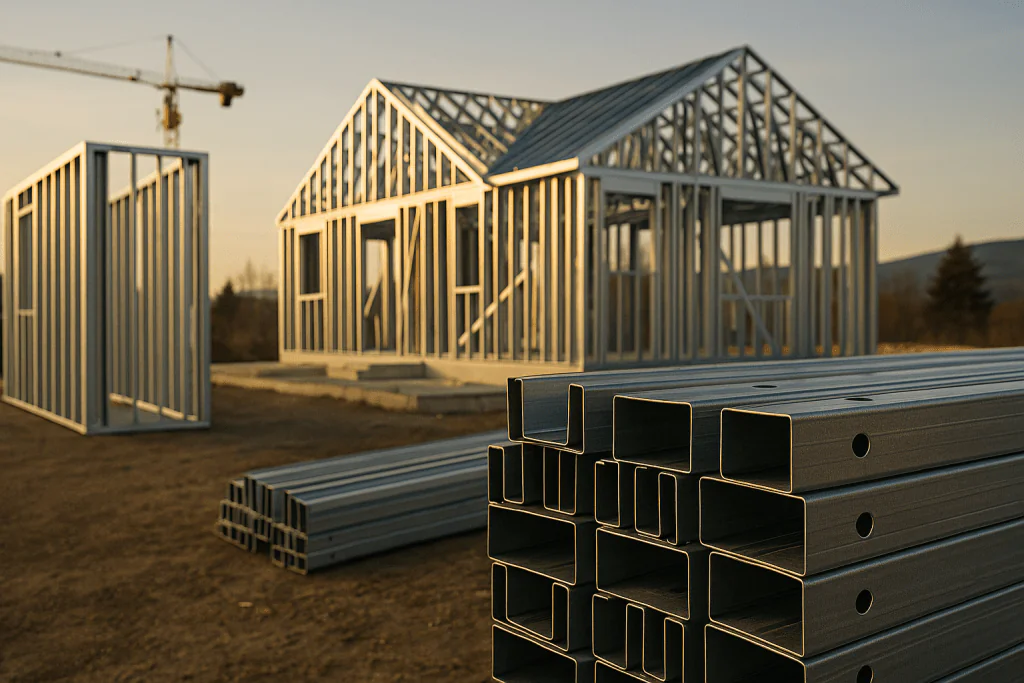
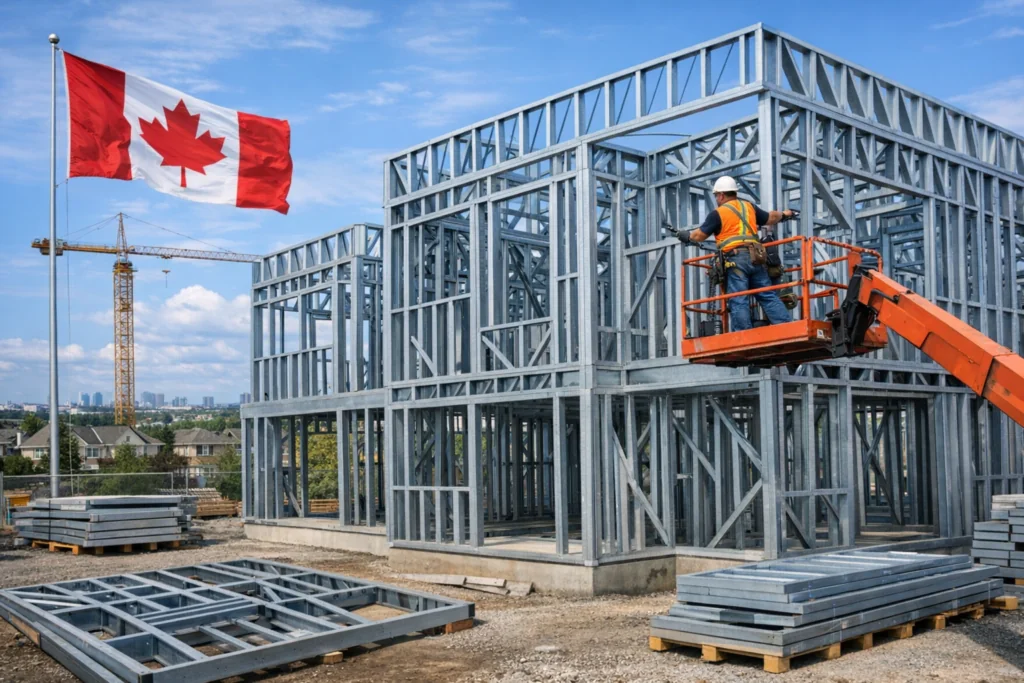
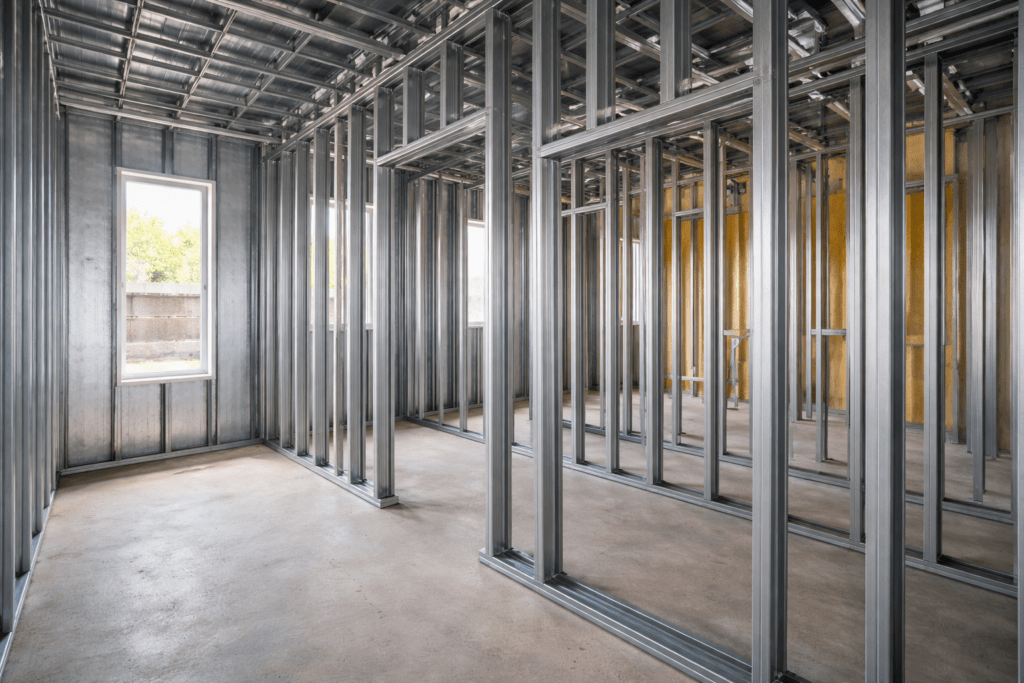
Builders use these components to create structural walls, floor systems, and roof structures.
Because manufacturers produce these components with precise machinery, light gauge steel framing maintains consistent dimensions and high structural accuracy.
How Light Gauge Steel Is Manufactured
Light gauge steel framing begins with galvanized steel coils.
Manufacturers feed these coils into roll-forming machines that gradually bend the metal into structural shapes. The process produces uniform framing components at high speed.
During production, machines create holes for electrical and plumbing systems. As a result, contractors can install building services easily during construction.
This manufacturing process allows builders to receive framing components that are ready for fast installation.
Advantages of Using Light Gauge Steel
Light gauge steel offers several advantages that make it attractive for modern construction projects.
Lightweight but Strong
Even though the steel sections are thin, they provide excellent structural strength.
Because the material remains lightweight, crews can transport and install framing components more easily.
Dimensional Accuracy
Manufacturers produce steel framing components with tight tolerances.
As a result, walls and structural systems align precisely during installation.
Resistance to Warping and Shrinkage
Unlike wood, steel does not warp, twist, or shrink over time.
Therefore, buildings framed with light gauge steel maintain stable dimensions throughout their lifespan.
Durability
Most light gauge steel products use galvanized coatings that protect the material from corrosion.
This protection allows the framing system to maintain strength for many decades.
Common Applications of Light Gauge Steel
Builders use light gauge steel in many construction projects.
Typical applications include:
Residential housing structures
Multi-unit apartment buildings
Interior partition walls
Exterior structural walls
Modular construction systems
Because the material offers both strength and flexibility, designers can adapt light gauge steel framing to many building types.
In addition, the material works well in prefabricated construction systems.
Light Gauge Steel vs Traditional Wood Framing
Many developers compare light gauge steel framing with wood framing.
Steel framing offers several advantages over wood.
First, steel does not support mold or insect damage. Therefore, structures avoid problems such as termites or wood rot.
Second, steel maintains consistent dimensions. Wood framing can shrink or expand due to humidity changes.
Finally, steel framing components arrive with precise shapes and sizes. This accuracy often speeds up installation and reduces construction waste.
For these reasons, many builders now consider light gauge steel an alternative to traditional framing materials.
Design Flexibility With Light Gauge Steel
Architects and engineers appreciate the design flexibility that steel framing provides.
Because manufacturers produce many different profiles and gauges, designers can select the right structural components for each project.
Light gauge steel also works well with prefabrication systems. Wall panels and structural modules can be assembled in controlled environments before arriving on site.
This approach improves construction speed while maintaining consistent quality.
Sustainability and Material Efficiency
Light gauge steel also supports sustainable construction practices.
Steel is highly recyclable. Many framing components contain recycled steel content, which reduces environmental impact.
In addition, precise manufacturing reduces material waste during construction.
Because steel structures last for many decades, buildings framed with light gauge steel often require fewer structural repairs over time.
Final Thoughts
Light gauge steel plays a major role in modern construction. The material provides strength, durability, and precise manufacturing that supports efficient building systems.
Builders rely on light gauge steel because it offers consistent structural performance while remaining lightweight and easy to install.
As construction methods continue to evolve, light gauge steel framing will remain an important solution for residential, commercial, and modular building projects.