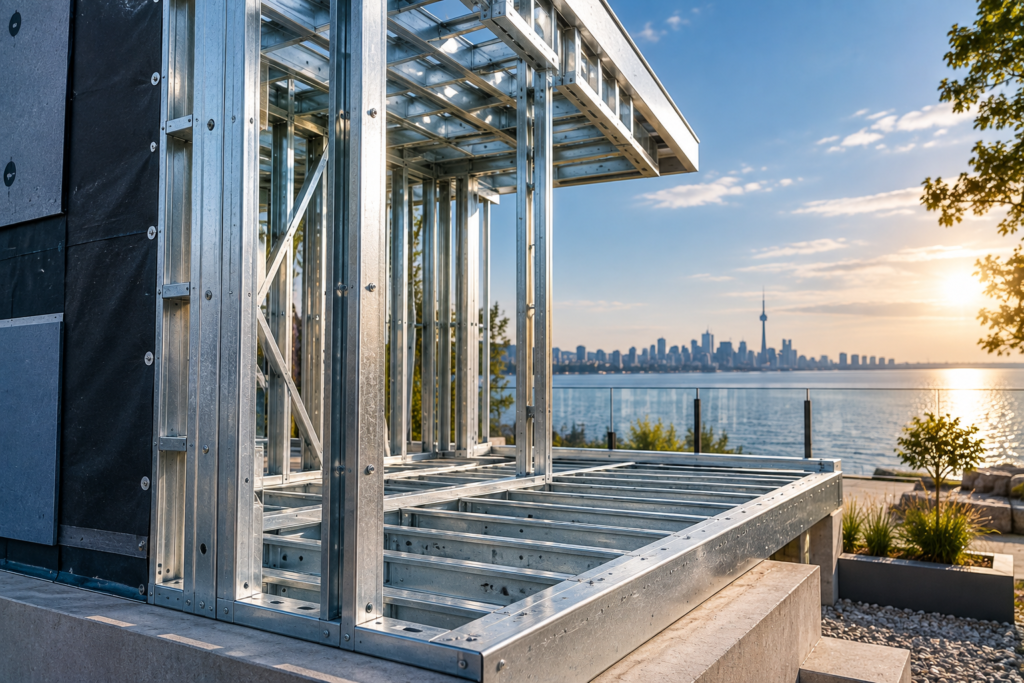
Performance & Building Science

Learn how light steel framing performs under real-world conditions. This category covers energy efficiency, thermal bridging, acoustics, fire resistance, moisture control, and structural resilience to help you build stronger, safer, and more efficient buildings.

Filter posts by category

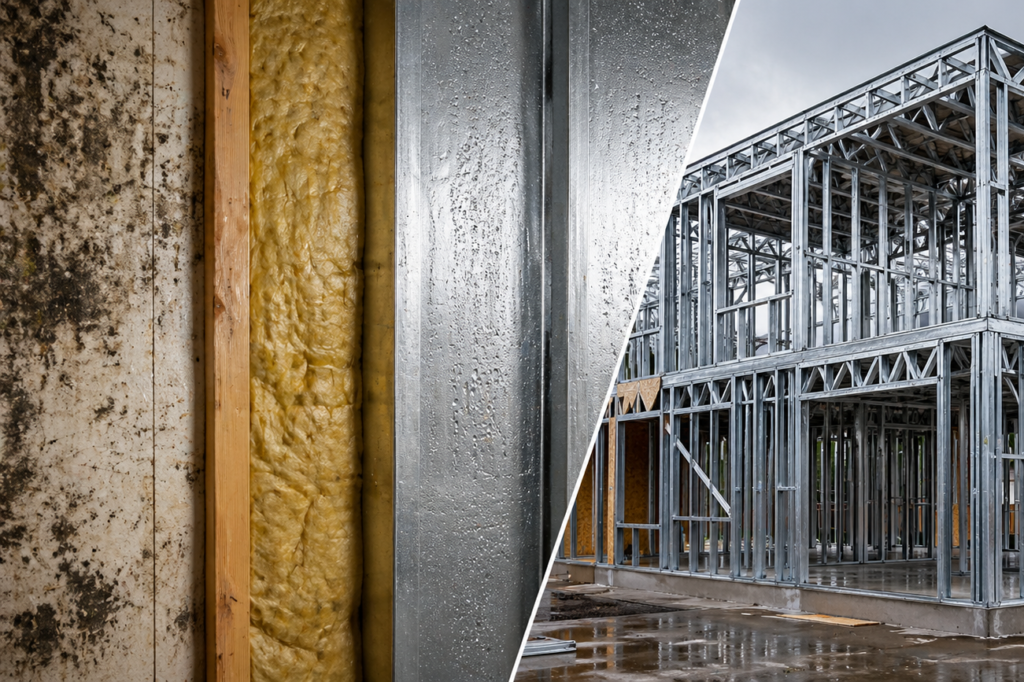
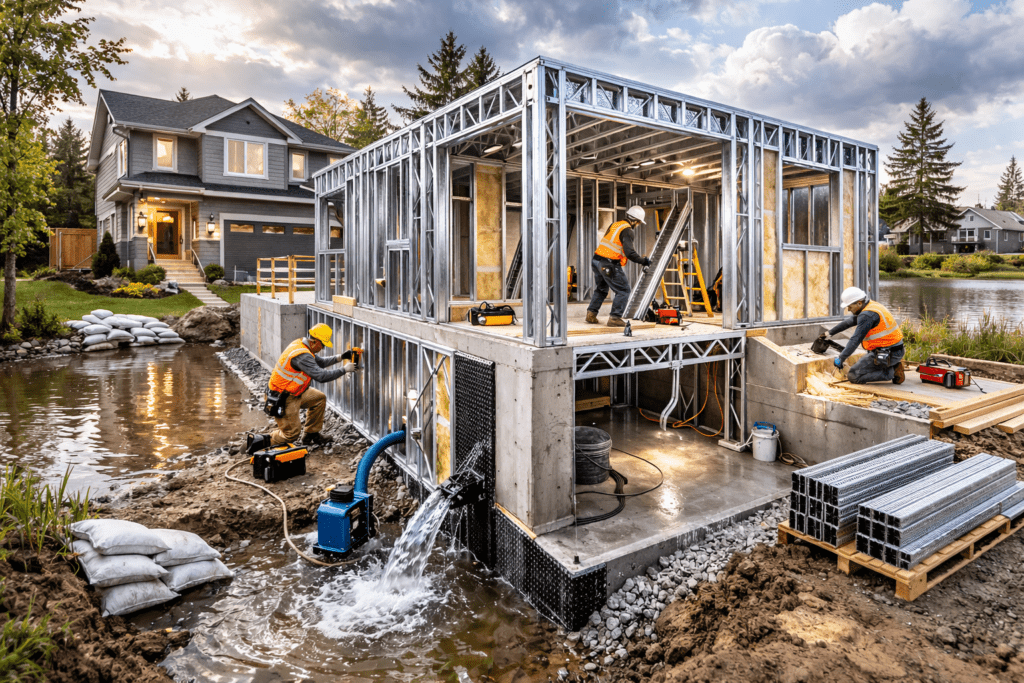
Does Steel Framing Prevent Mold? A Practical Guide for Canadian Builders

Moisture management is one of the biggest concerns in Canadian construction, and it often leads to a common question from builders and developers: does steel framing prevent mold? The short answer is that steel framing does not “eliminate” mold on its own, but it can dramatically reduce the conditions that allow mold problems to develop.

Does Steel Framing Prevent Mold? A Practical Guide for Canadian Builders Read More

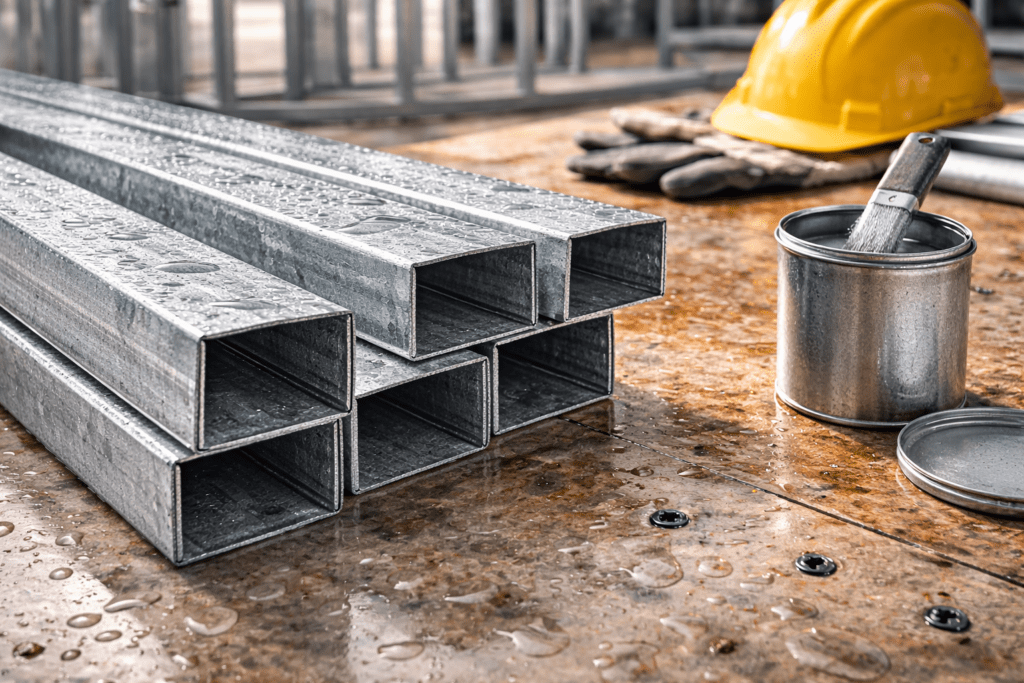
Corrosion Protection in Light Gauge Steel Framing: Coatings and Standards

When working with cold-formed steel in Canada, one factor cannot be overlooked: corrosion protection in light gauge steel framing. No matter how strong or well-designed a structure is, long-term performance depends heavily on how well the steel is protected against corrosion. In Ontario and across Canada, environmental exposure, moisture conditions, and building use all influence how steel behaves over time. Proper coating selection and compliance with Canadian standards are essential to ensure durability, safety, and code approval.

Corrosion Protection in Light Gauge Steel Framing: Coatings and Standards Read More

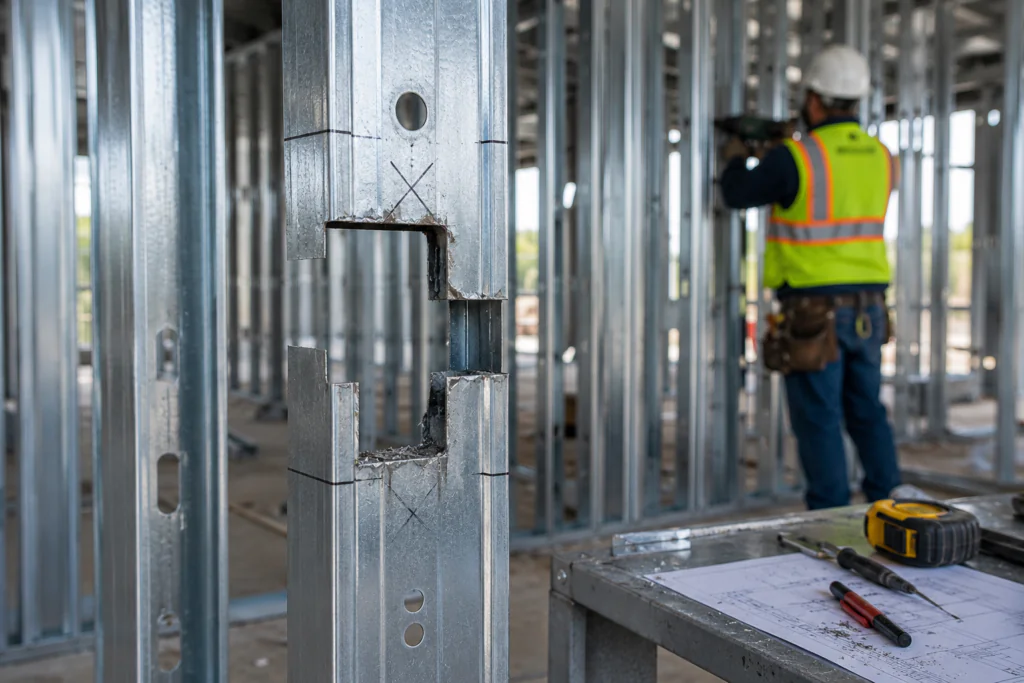
Axial Load Capacity of Cold-Formed Steel Studs: Design Considerations

When designing with light gauge steel, one concept must be clearly understood and correctly applied: axial load capacity of cold-formed steel studs. This is not just a theoretical parameter. It directly determines whether a wall system will perform safely under real loads in Ontario’s demanding construction environment.

Axial Load Capacity of Cold-Formed Steel Studs: Design Considerations Read More

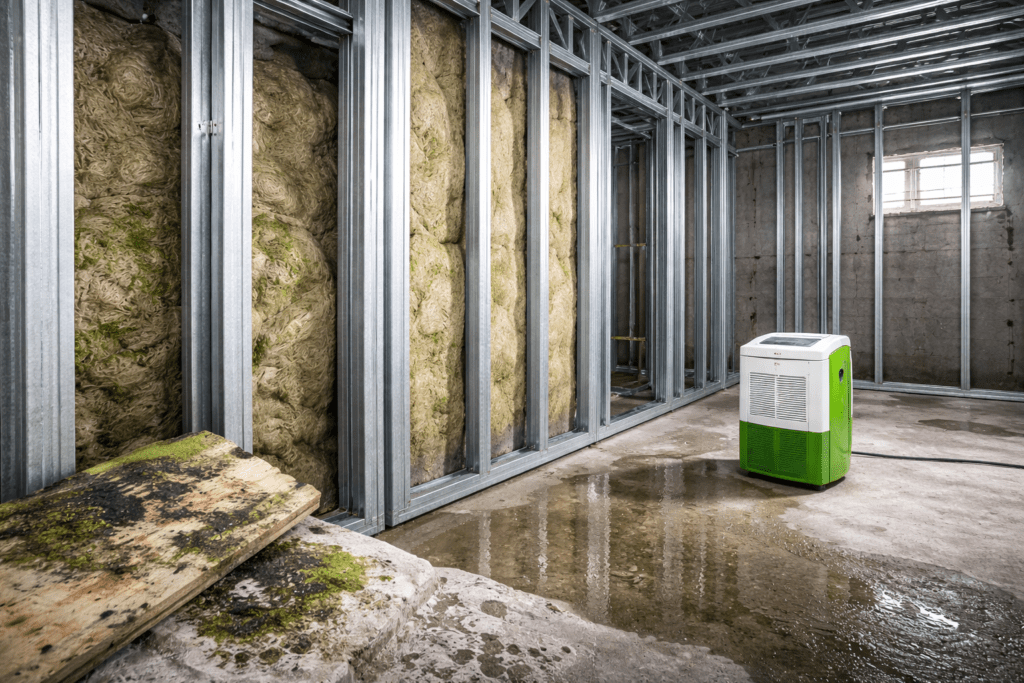
Mold-Resistant Cold-Formed Steel Framing: Healthier, Safer Ontario Homes

Ontario’s climate makes mold a constant threat. Hot, humid summers and cold, wet winters leave many homes with excess moisture. Basements, bathrooms and attics become breeding grounds for mold when humidity stays high. Health Canada warns that living in a damp, moldy home greatly increases the risk of respiratory problems, asthma and allergic reactions. Mold spores in the air can trigger coughing, headaches and worse symptoms for children, seniors or those with asthma.

Mold-Resistant Cold-Formed Steel Framing: Healthier, Safer Ontario Homes Read More

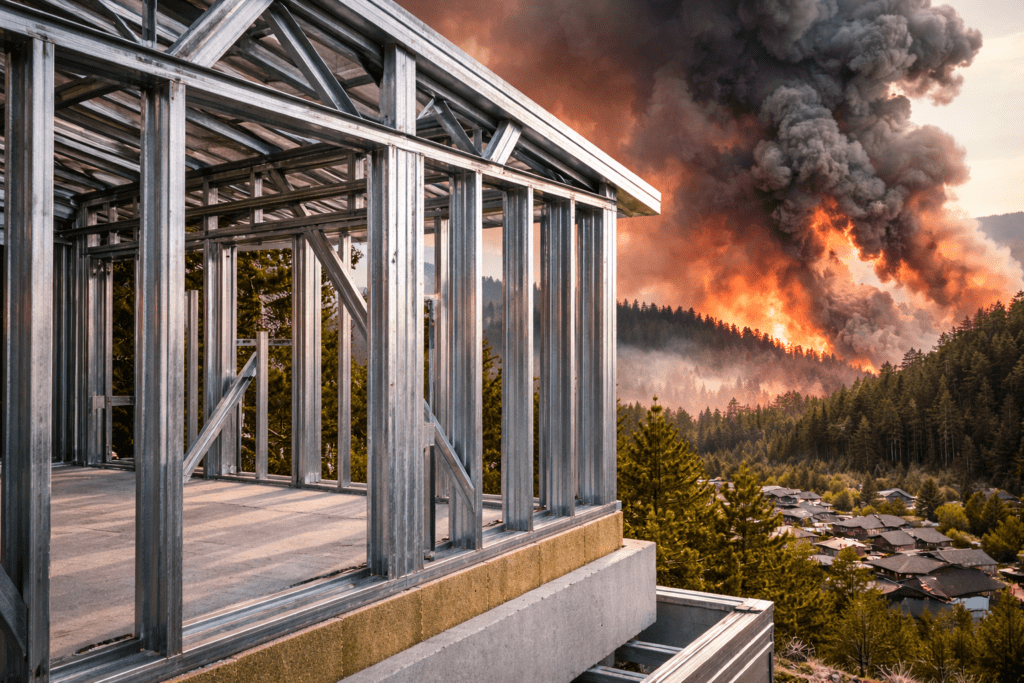
Wildfire-Resilient Homes: Cold-Formed Steel Framing as a Safer Choice

Climate scientists warn Canada’s forests are burning hotter and more often. For example, the 2023 wildfire season was the most destructive on record, consuming 16.5 million hectares – over twice the previous annual record. British Columbia alone saw more area burn than any prior year, causing at least $720 million in insurance losses. Nationally, severe weather events (especially wildfires) inflicted over $3.1 billion in insured damage in 2023. As wildfires threaten communities and insurers tighten coverage in high-risk areas, builders must prioritize fire-resistant construction to protect homes and investments. This reality has architects and engineers urgently seeking materials that can withstand flame and heat. Cold-formed steel framing stands out as a fire-resistant alternative to wood.

Wildfire-Resilient Homes: Cold-Formed Steel Framing as a Safer Choice Read More

Winter Construction Made Easy with Cold-Formed Steel Framing

Canadian winters bring subzero temperatures, snow and ice that slow jobs and drive up costs. Outdoor tasks take longer in heavy winter gear, as crews must clear snow and warm up equipment before work. Major snowfalls can shut down sites for days, eating into schedules and budgets. Even simple concrete pours get trickier: a pour taking two days in August may need extra days, heated enclosures and higher labor in November. Interior work often stalls too, since crews may have to halt work until the structure is enclosed. All these factors make winter one of the most difficult seasons for construction.

Winter Construction Made Easy with Cold-Formed Steel Framing Read More

Scroll to Top