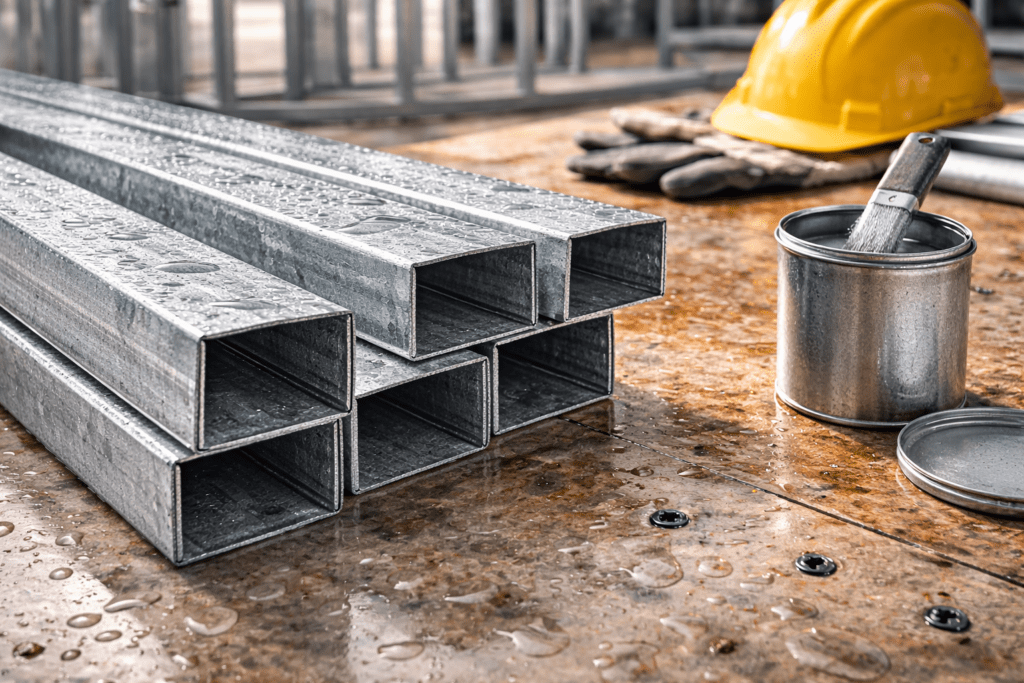
When working with cold-formed steel in Canada, one factor cannot be overlooked: corrosion protection in light gauge steel framing. No matter how strong or well-designed a structure is, long-term performance depends heavily on how well the steel is protected against corrosion.
In Ontario and across Canada, environmental exposure, moisture conditions, and building use all influence how steel behaves over time. Proper coating selection and compliance with Canadian standards are essential to ensure durability, safety, and code approval.
This guide explains how corrosion protection works in practice and how to choose the right coating system for your project.
Why Corrosion Protection Matters in Canada
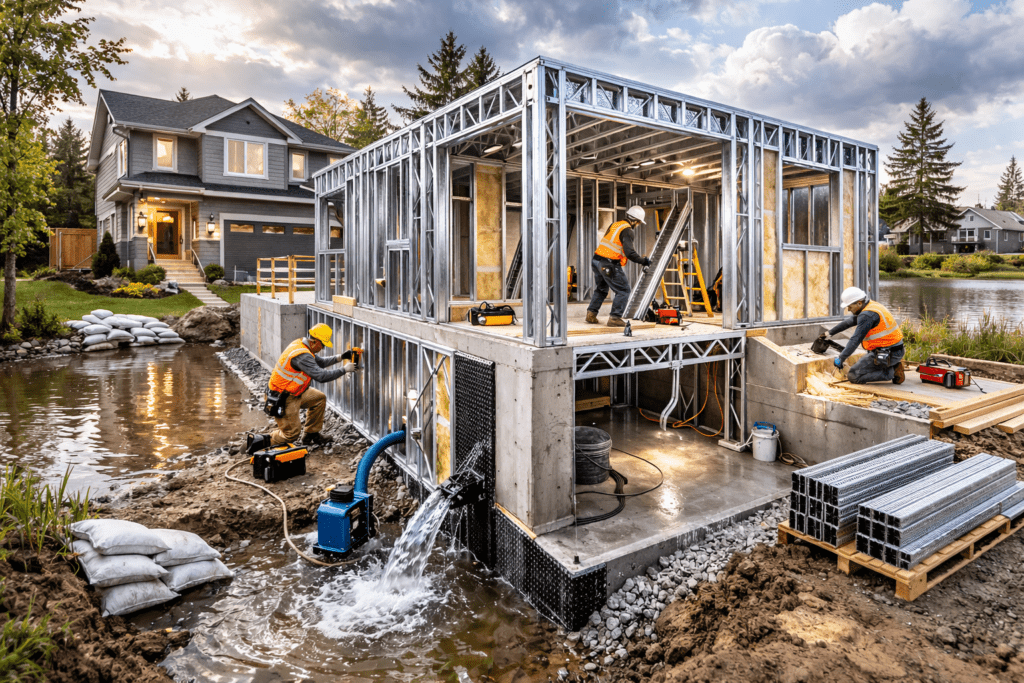
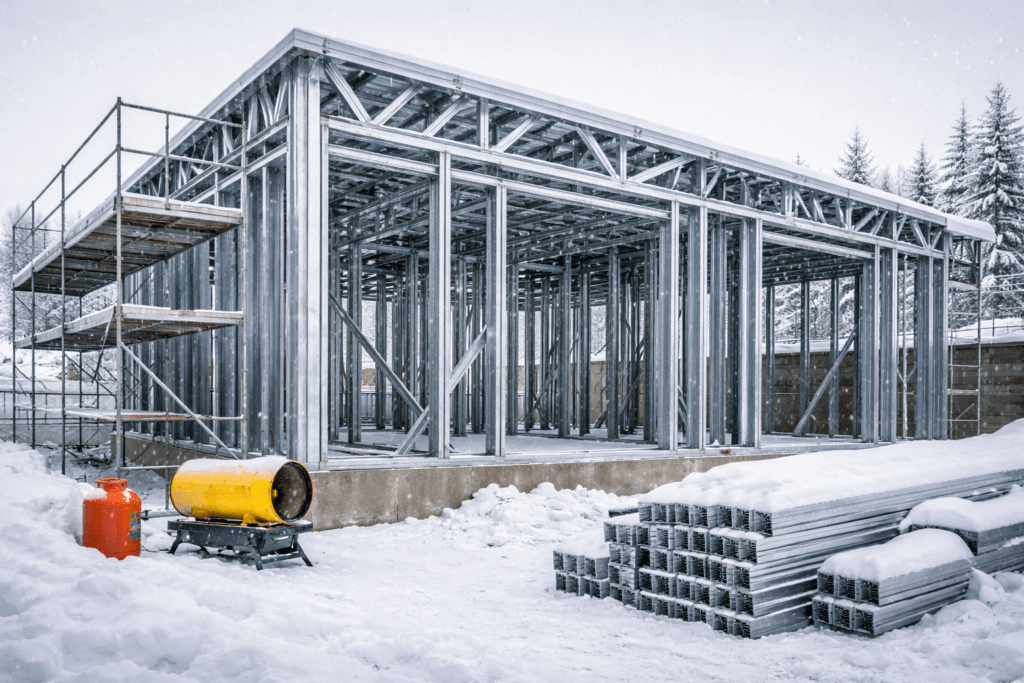
Steel is highly durable, but it is also vulnerable to corrosion when exposed to moisture and oxygen. In Canadian construction, this risk is amplified by seasonal changes, humidity variations, and, in some regions, exposure to salts.
Even in interior applications, condensation and humidity can create conditions where corrosion develops over time. In exterior or semi-exposed environments, the risk increases significantly.
Corrosion does not just affect appearance. It reduces the effective thickness of steel members, which directly impacts structural capacity. Over time, this can compromise the performance of the entire framing system.
For this reason, corrosion protection in light gauge steel framing is not optional. It is a fundamental design requirement.
Understanding Galvanized Coatings
The most common method of corrosion protection for cold-formed steel is galvanization. This process involves coating the steel with a layer of zinc, which acts as a barrier and also provides sacrificial protection.
When the coating is damaged, the zinc corrodes first, protecting the underlying steel. This is what makes galvanized steel highly effective in construction applications.
In Canada, coating levels are typically specified using designations such as G60 or G90. These numbers refer to the amount of zinc coating applied to the steel surface.
G90 is the most commonly used coating for structural applications in Ontario. It provides a higher level of protection and is generally required for load-bearing elements and areas with potential moisture exposure.
Canadian Standards for Corrosion Protection
In Canada, corrosion protection for cold-formed steel is governed by CSA A653 and CSA S136.
CSA A653 defines the material specifications, including coating requirements such as zinc weight and coating quality. CSA S136, on the other hand, governs the structural design of cold-formed steel members and ensures that material properties are properly accounted for in engineering calculations.
Compliance with these standards is critical. It ensures that the steel used in your project meets both durability and structural performance requirements.
In Ontario, building approvals and inspections rely heavily on adherence to these standards. Any deviation can result in delays, redesign, or rejection.
Choosing the Right Coating for Your Application
Selecting the appropriate coating depends on the environment where the steel will be used.
For interior dry conditions, standard galvanized coatings such as G60 may be acceptable for non-structural elements. However, for structural framing or areas with potential moisture exposure, G90 is typically required.
In more aggressive environments, such as coastal areas or buildings with high humidity, additional protection may be necessary. This can include heavier coatings or alternative systems designed for enhanced durability.
It is important to evaluate the exposure conditions early in the design process. This ensures that the selected coating provides adequate protection without unnecessary cost.
The Impact of Damage and Handling
Even with proper coating selection, corrosion protection can be compromised during handling and installation.
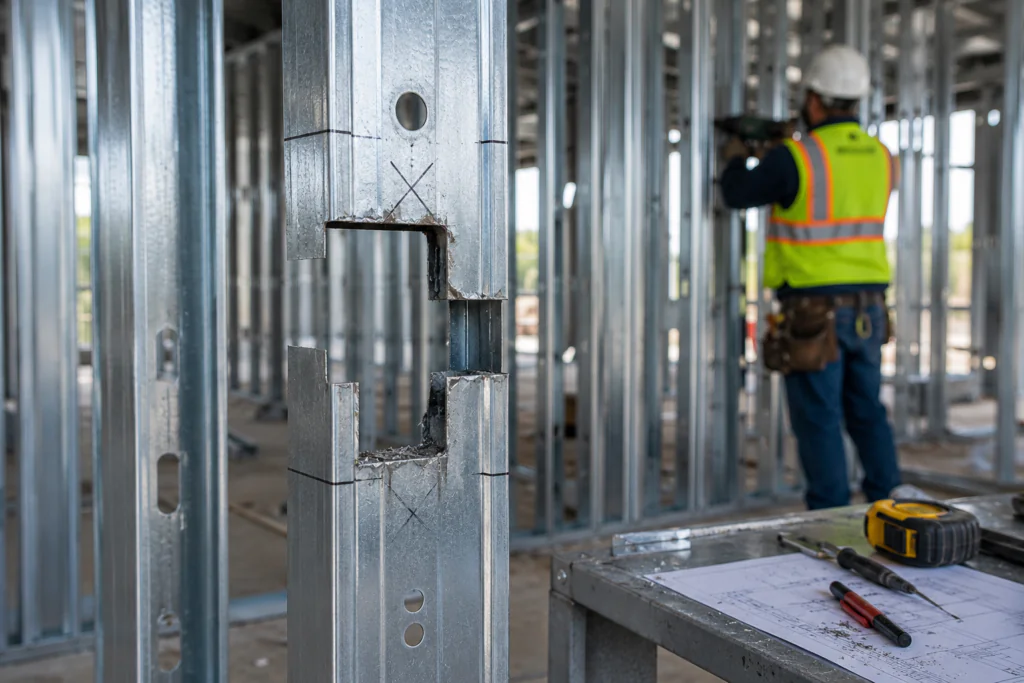
Scratches, cuts, and improper storage can expose the base steel, creating points where corrosion can begin. While galvanized coatings offer some level of self-protection, excessive damage can reduce their effectiveness.
Proper handling procedures should always be followed on site. This includes storing materials in dry conditions, avoiding unnecessary abrasion, and repairing damaged areas when required.
Attention to these details ensures that the protective coating performs as intended throughout the life of the structure.
Long-Term Performance and Maintenance
One of the key advantages of galvanized cold-formed steel is its low maintenance requirement. When properly specified and installed, it provides long-term protection without the need for frequent intervention.
However, in certain environments, periodic inspection may still be necessary. This is especially true for exposed or semi-exposed applications where environmental conditions can accelerate corrosion.
Understanding the expected lifespan of the coating and planning accordingly helps ensure that the structure remains safe and functional over time.
Common Mistakes to Avoid
A common mistake is assuming that all galvanized steel offers the same level of protection. In reality, coating thickness and quality vary significantly and must be specified correctly.
Another issue is using lower coating levels in environments where higher protection is required. This often leads to premature corrosion and costly repairs.
Ignoring handling practices on site can also undermine corrosion protection. Even high-quality coatings can fail if they are damaged during installation.
Avoiding these mistakes requires a clear understanding of both material specifications and real-world conditions.
Why This Matters for Ontario Builders
In Ontario’s construction market, durability and compliance are critical. Projects must meet strict building codes while also delivering long-term performance.
Proper corrosion protection in light gauge steel framing ensures that structures remain safe, efficient, and compliant with Canadian standards. It also reduces the risk of future issues, saving time and cost over the life of the building.
As the use of cold-formed steel continues to grow across Canada, understanding corrosion protection becomes increasingly important for builders and developers.
Work with LSF Pro Structures
At LSF Pro Structures, we provide cold-formed steel solutions designed for Canadian conditions. From material selection to manufacturing and design support, we ensure that every project meets the required standards for corrosion protection and structural performance.
If you are planning a project and want to ensure proper corrosion protection in light gauge steel framing, contact LSF Pro Structures today.