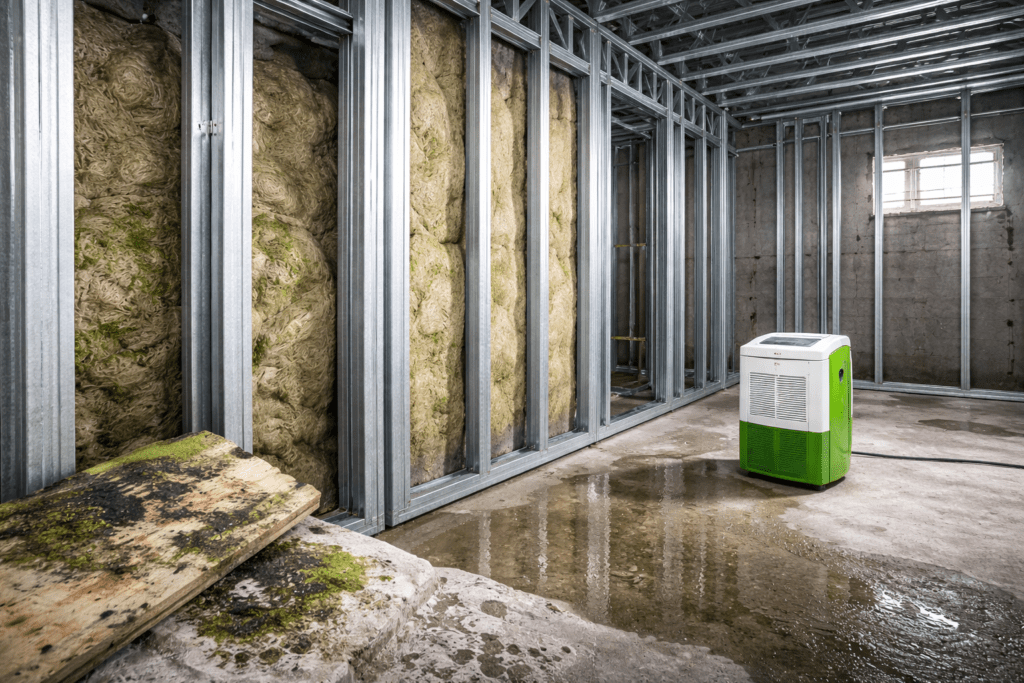
Why Mold is a Serious Issue in Ontario Homes
Ontario’s climate makes mold a constant threat. Hot, humid summers and cold, wet winters leave many homes with excess moisture. Basements, bathrooms and attics become breeding grounds for mold when humidity stays high. Health Canada warns that living in a damp, moldy home greatly increases the risk of respiratory problems, asthma and allergic reactions. Mold spores in the air can trigger coughing, headaches and worse symptoms for children, seniors or those with asthma.
Beyond health, mold can damage a building from the inside. It feeds on wood and drywall, causing rot, stains and structural weakening. Even a small water leak can lead to hidden mold behind walls. Renovation and remediation are costly – remediation specialists charge over $28 per square foot, meaning a serious infestation can easily cost tens of thousands to fix. For Ontario builders and homeowners, preventing mold is critical to protect both occupant health and home value.
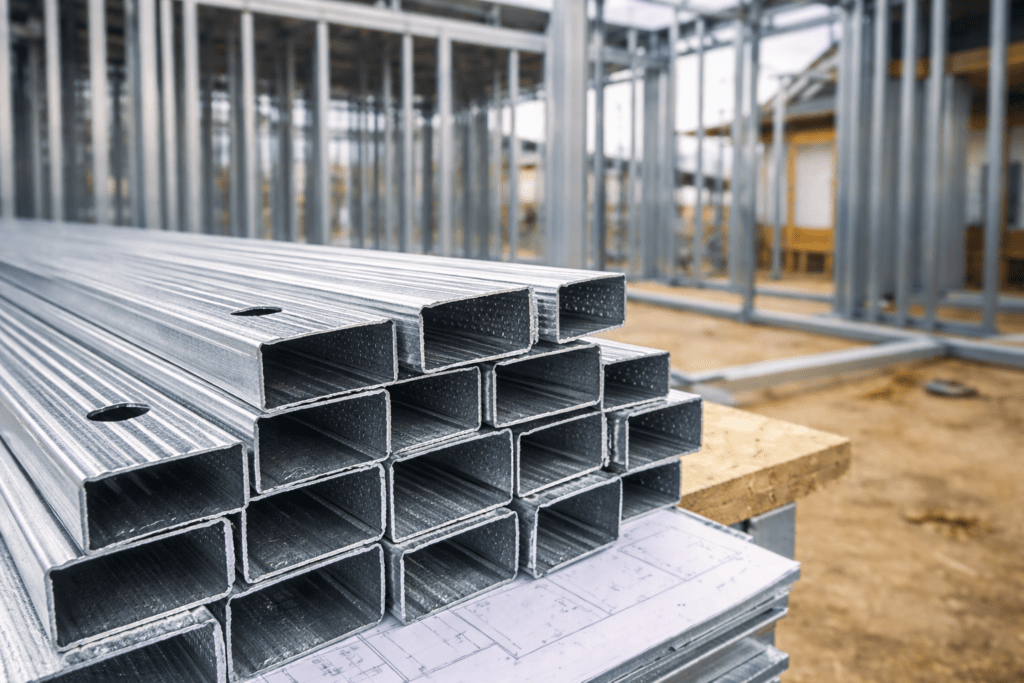
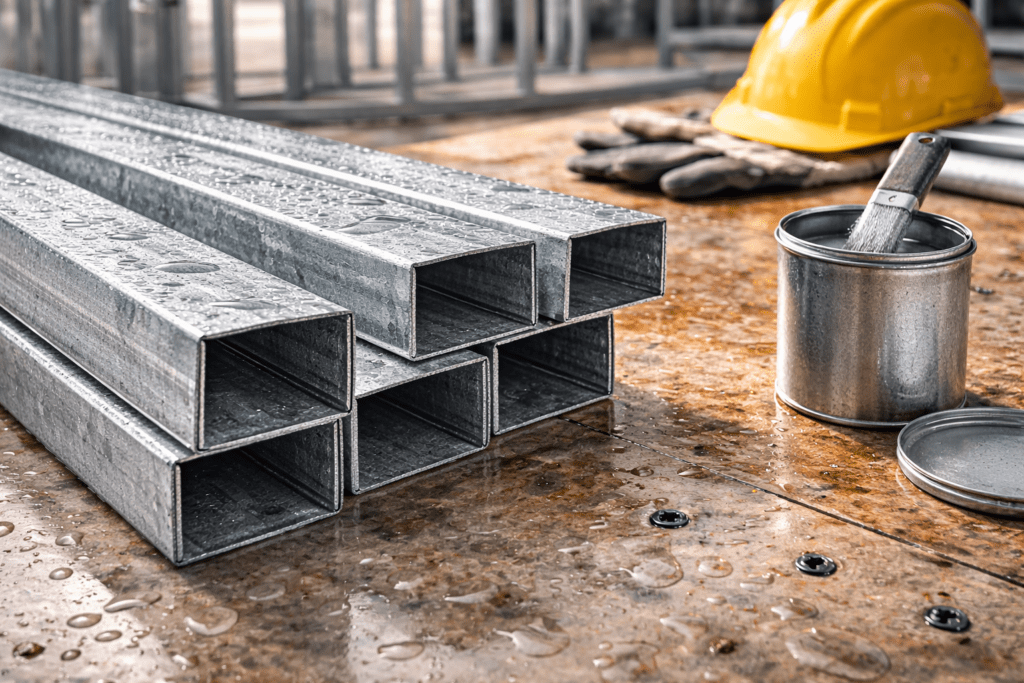
How Cold-Formed Steel Prevents Mold. The key to stopping mold lies in keeping materials dry. Cold-formed steel framing is inherently mold-resistant because steel is inorganic and impervious to moisture. Steel studs are galvanized to resist rust, and they never absorb water or swell. In practice, this means any water from rain, snow or concrete curing simply passes through without soaking into the framing. Experts note that homes built with steel framing have a much lower risk of mold growth than homes built with wood. Unlike wood, steel never rots or supports mold colonies. In short, a steel frame creates a dry, stable “skeleton” for a home that resists mold at every turn. Because the framing itself can’t be damaged by mold, the indoor environment stays healthier and maintenance costs stay low over time.
Advantages Over Wood: Health and Cost Benefits
Steel framing delivers multiple advantages over wood or other organic materials. Its clean, moisture-resistant nature yields direct health and cost benefits for Ontario projects. Key advantages include:
No Mold, Rot or Pests: Steel studs are inert and moisture-resistant, so they never rot or provide food for mold, mildew, termites or carpenter ants. Any moisture from a leak evaporates without harming the steel. In contrast, wet wood framing can hide mold growth until major damage occurs.
Cleaner Indoor Air: Steel framing does not off-gas volatile organic compounds (VOCs) or hold moisture that breeds allergens. Unlike some lumber and panel products, steel and its zinc coating are chemically stable. Homes framed in steel tend to have fewer VOCs and musty odors, improving indoor air quality and occupant health.
Fewer Repairs: Because steel studs won’t warp, twist or shrink, walls stay straight and true. Builders see far fewer callbacks for drywall cracks, sagging floors or sticking doors – problems often caused by wood shrinkage and settling. Over the life of a building, the durability of steel means avoiding many costly structural fixes.
Insurance Savings: Steel’s non-combustible and durable nature means insurance companies view steel buildings as lower risk. Builders often enjoy reduced premiums on fire, liability and builders’ risk insurance for steel-framed projects. Some steel framing insurance programs even offer substantial discounts because steel greatly reduces the chance of fire and water damage.
Chemical-Free Construction: Unlike wood framing, steel never requires pressure-treated lumber or toxic mold inhibitors. No harsh anti-fungal sprays, pesticides or fire-retardant chemicals are needed with steel framing. This creates a healthier construction process and a safer, toxin-free home for occupants.
Together, these benefits make cold-formed steel framing an outstanding choice for healthy, long-lasting buildings. Homeowners breathe easier knowing there are no hidden wood decay issues, and developers value the long-term savings from fewer repairs and potential insurance credits.
Ideal Situations for Mold-Resistant Steel Framing
Steel framing is especially valuable in places where moisture or density is a challenge. Below-grade walls and basements are notorious for dampness; using steel studs in foundation walls keeps basements dry and mold-free. It’s no coincidence that mold and fungi are often found in basements, kitchens and bathrooms – steel framing mitigates that risk.
Dense urban and infill projects benefit too. Townhomes and condominiums built in close quarters have higher humidity and fire concerns. Because steel is non-combustible, buildings can be built taller and closer without feeding flames between units. In fact, experts advise using steel framing in any new or renovation project to prevent mold intrusion and keep occupants safe. For example, in multi-unit infill or mid-rise construction, steel frames eliminate hidden moisture traps and help meet stringent building codes.
In summary, any project – whether a moist basement remodel, a humid attic conversion, or a tight urban condo build – gains from mold-resistant steel framing. By using cold-formed steel, builders and developers deliver a cleaner, safer structure from the ground up.
Build with Confidence: Contact LSF Pro to design your next mold-free project using advanced cold-formed steel framing. Our team at LSF Pro specializes in engineering healthy, code-compliant buildings across Ontario. We integrate mold-resistant steel designs into your plans to ensure maximum durability and air quality. Reach out to LSF Pro today to learn how we can help you create a safer, cleaner home or development using the latest in cold-formed steel framing technology.