Steel studs wall systems are widely used in modern construction. Builders prefer them because they provide strength, precision, and long-term stability.
Unlike traditional framing methods, a steel studs wall maintains its shape over time. It does not warp, shrink, or twist. Because of this, contractors can achieve clean finishes and consistent results.
As construction standards continue to improve, steel stud wall systems are becoming a reliable choice for both residential and commercial projects.
What Is a Steel Studs Wall
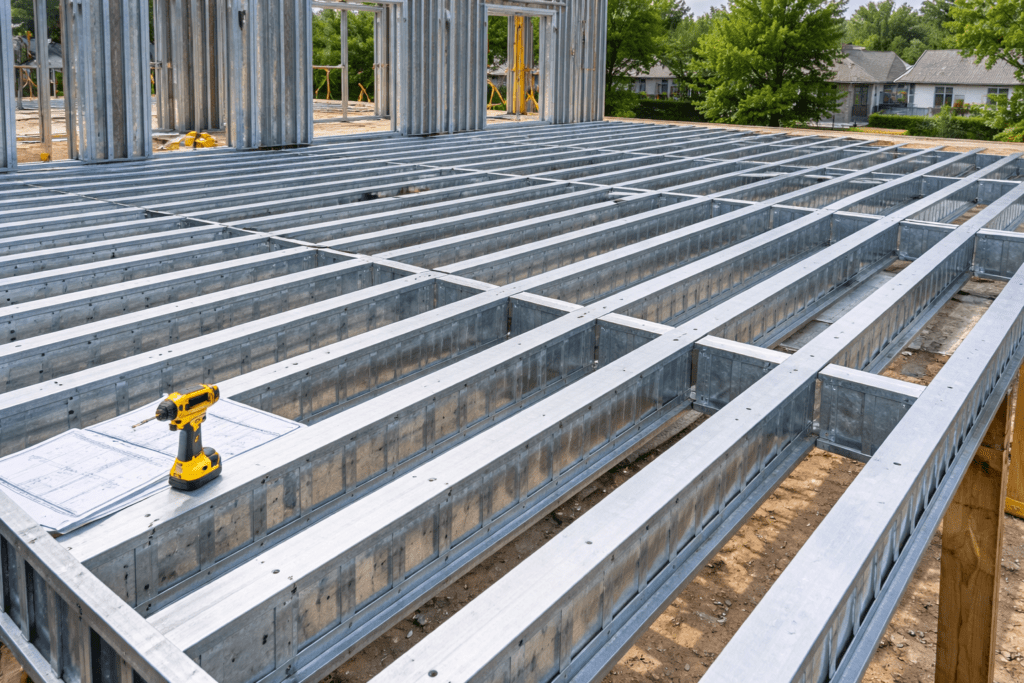
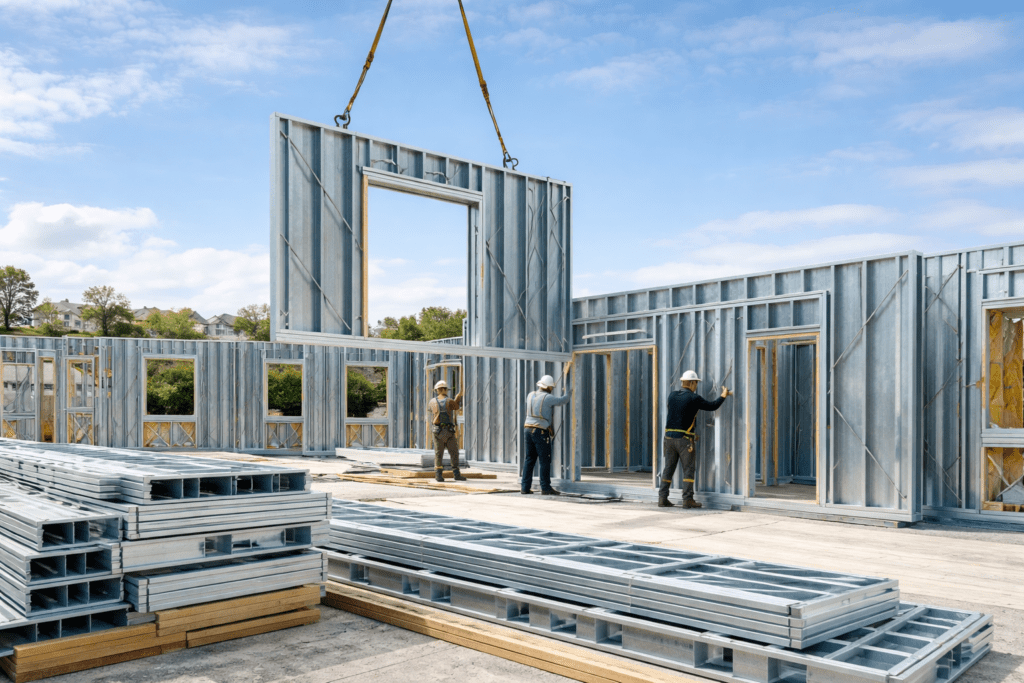
A steel studs wall is a structural or non-structural wall built using cold-formed studs and tracks.
These components form a rigid framework that supports drywall, insulation, and finishes. Builders assemble them using screws and standardized connections.
Because manufacturers produce steel studs with precise dimensions, installation becomes faster and more accurate.
Key Components of Steel Stud Wall Systems
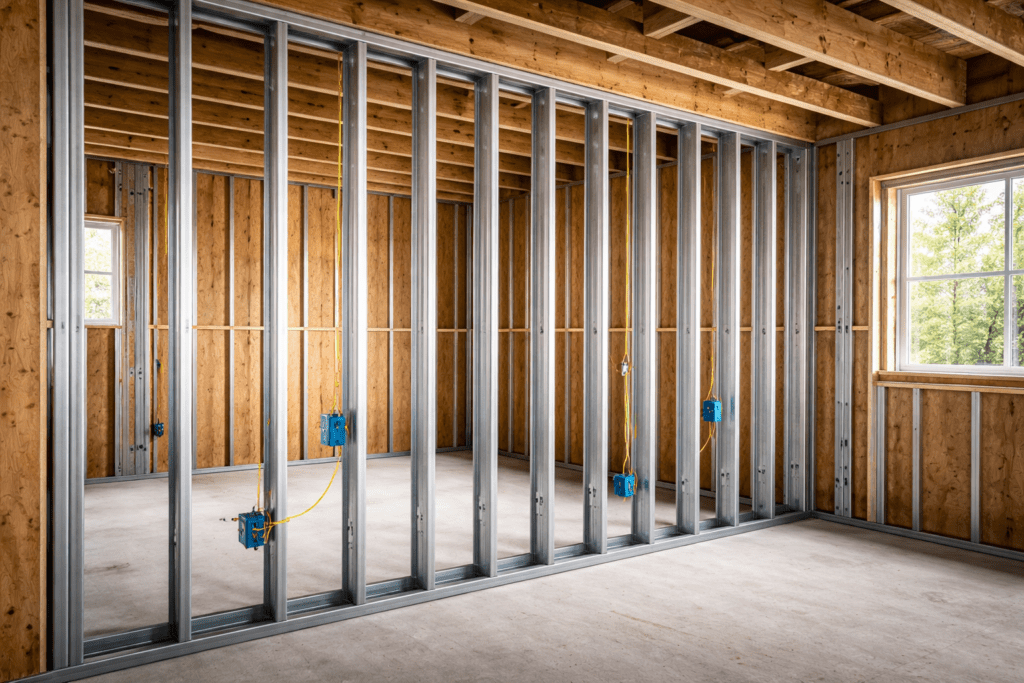
A typical steel stud wall includes several essential parts.
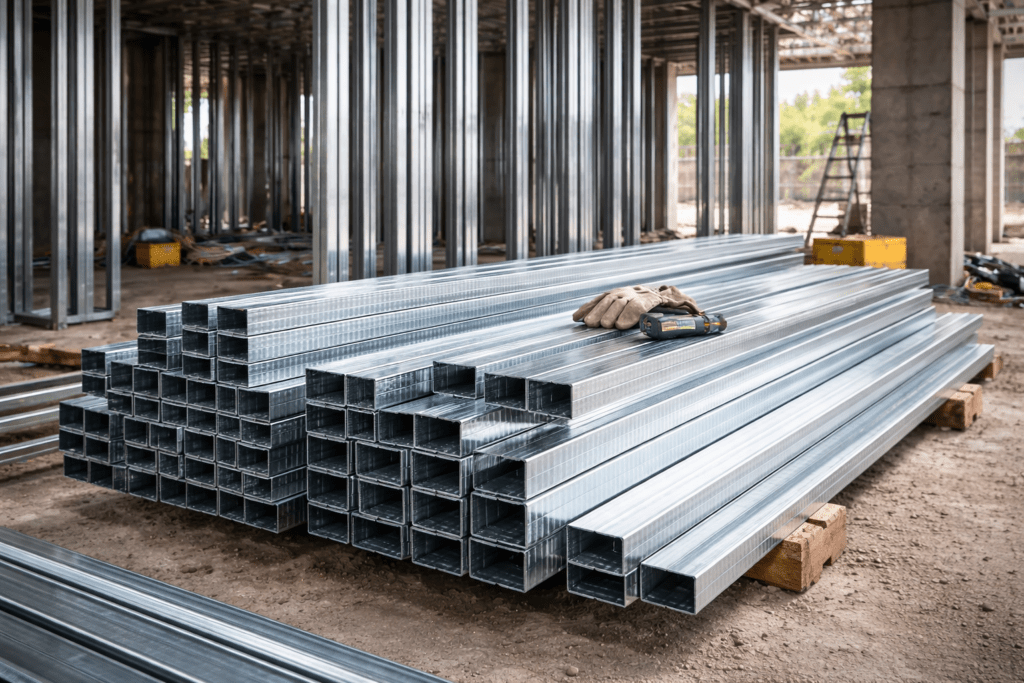
Steel Studs
Vertical members that form the main structure of the wall.
Tracks
Horizontal components placed at the top and bottom of the wall.
Fasteners
Screws that connect studs to tracks and secure the wall system.
Sheathing and Drywall
Materials that cover the wall and provide a finished surface.
Each component plays a role in creating a complete and stable wall assembly.
Advantages of Steel Studs Wall Construction
Builders choose steel stud walls for several important reasons.
Dimensional Stability
Steel does not expand or contract due to moisture changes.
As a result, walls remain straight and stable over time.
High Strength-to-Weight Ratio
Steel provides strong structural performance while remaining lightweight.
This allows builders to handle materials easily during installation.
Resistance to Moisture and Pests
Steel framing does not support mold, rot, or insects.
Therefore, the wall system maintains its integrity in different environments.
Clean and Efficient Installation
Steel studs arrive with consistent dimensions.
Because of this, crews can install walls quickly with fewer adjustments.
Common Applications of Steel Stud Walls
Steel stud wall systems are used in many types of construction.
Common applications include:
Interior partition walls
Exterior wall assemblies
Commercial office spaces
Residential housing projects
Multi-unit buildings
Because of their flexibility, these systems work well in both small and large-scale projects.
Steel Studs Wall and Insulation
Proper insulation is important in any wall system.
A steel studs wall allows space for different types of insulation, such as batt insulation or rigid boards.
Because steel conducts heat, builders often include thermal breaks or additional insulation layers.
These measures improve energy efficiency and indoor comfort.
Installation Considerations
Builders must follow proper installation practices to achieve the best results.
First, they should align studs accurately to maintain straight wall lines.
Next, they must secure connections tightly using appropriate fasteners.
Finally, they should coordinate with electrical and plumbing systems before closing the wall.
By following these steps, contractors can ensure a strong and reliable wall system.
Final Thoughts
Steel studs wall systems offer precision, durability, and efficient installation. Builders rely on them because they provide consistent structural performance and long-term stability.
As construction methods continue to evolve, the steel studs wall remains a practical solution for modern building projects.
Its combination of strength, reliability, and efficiency makes it a key component in today’s construction industry.