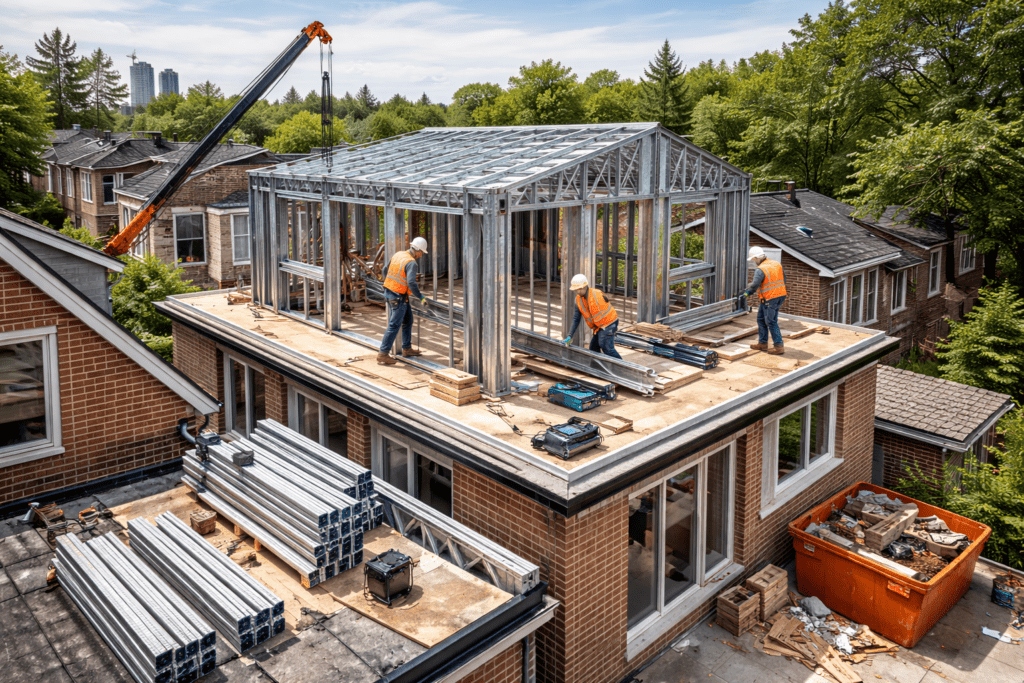
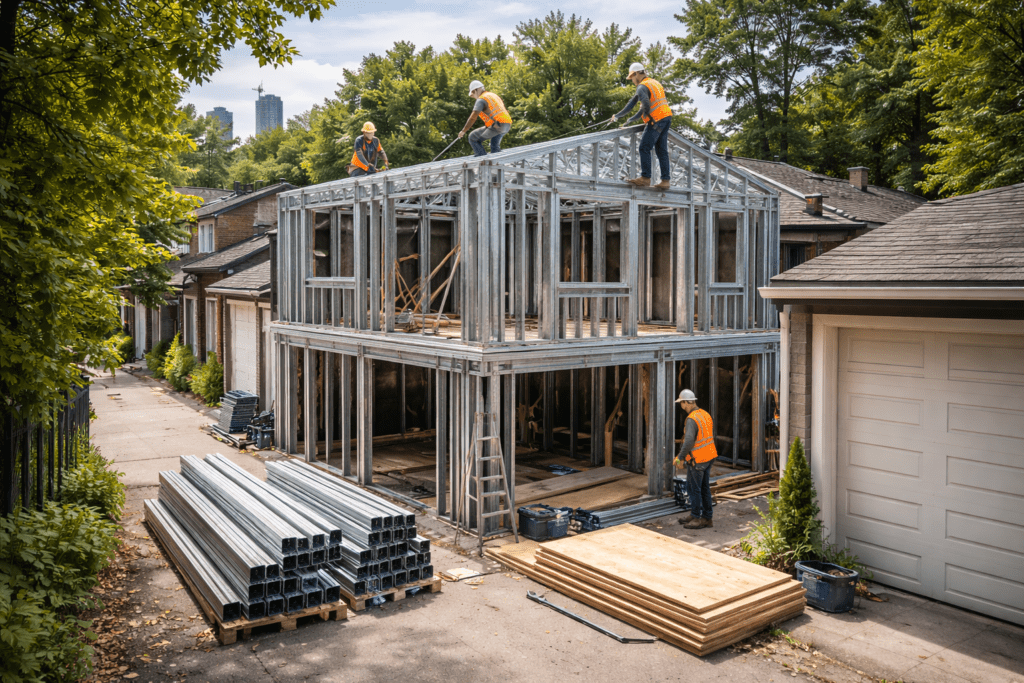
Laneway homes are reshaping residential construction in Toronto. As the city encourages gentle density and urban infill, more homeowners and developers are turning unused rear lots into valuable living space.
But building in a laneway is not like building on an open lot.
Tight access, strict fire separation rules, and structural limitations demand smarter framing choices. That is why cold-formed steel framing laneway homes Toronto has become a strategic solution for builders who want speed, precision, and reliability.
Why Laneway Homes Require a Different Approach
Laneway sites present unique construction challenges:
Limited access for materials and equipment
Narrow build footprints
Proximity to neighboring properties
Strict fire and structural code requirements
Height and weight restrictions
Traditional wood framing can work, but it often complicates logistics. Lumber deliveries require more storage space. On-site cutting generates waste. Moisture exposure during construction can delay finishing timelines.
In dense urban neighborhoods, efficiency matters. Builders must reduce disruption while maintaining quality.
Cold-formed steel framing addresses these constraints directly.
Lightweight Strength for Tight Urban Sites
Laneway homes often rely on compact foundations and minimal excavation. Excess structural weight increases engineering demands and can raise foundation costs.
Steel framing provides exceptional strength while remaining lightweight. This allows:
Reduced structural load on slab-on-grade or shallow foundations
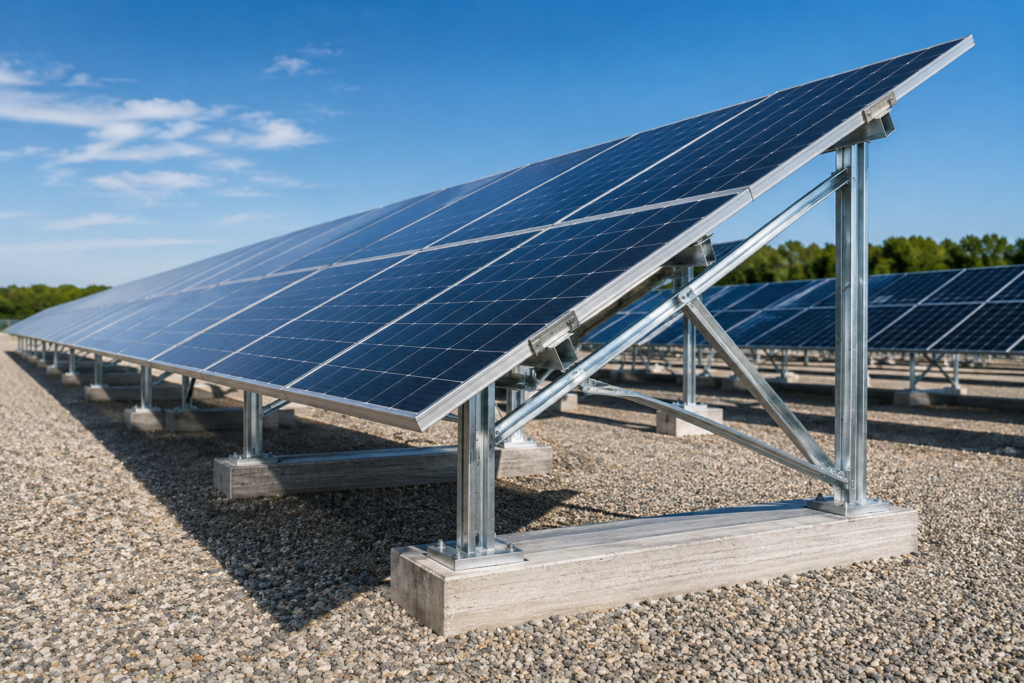
Easier rooftop design integration
More predictable structural calculations
Because steel components are engineered to exact specifications, they maintain consistent dimensional stability. Walls remain straight. Floors stay level. This precision simplifies finishing work and reduces call-backs.
For Toronto laneway builds, where every inch counts, structural accuracy protects margins.
Faster Installation in Restricted Access Areas
Access is one of the biggest obstacles in laneway construction.
Many sites require materials to be carried through narrow passages or delivered in smaller loads. Wood framing often demands more handling and sorting on site.
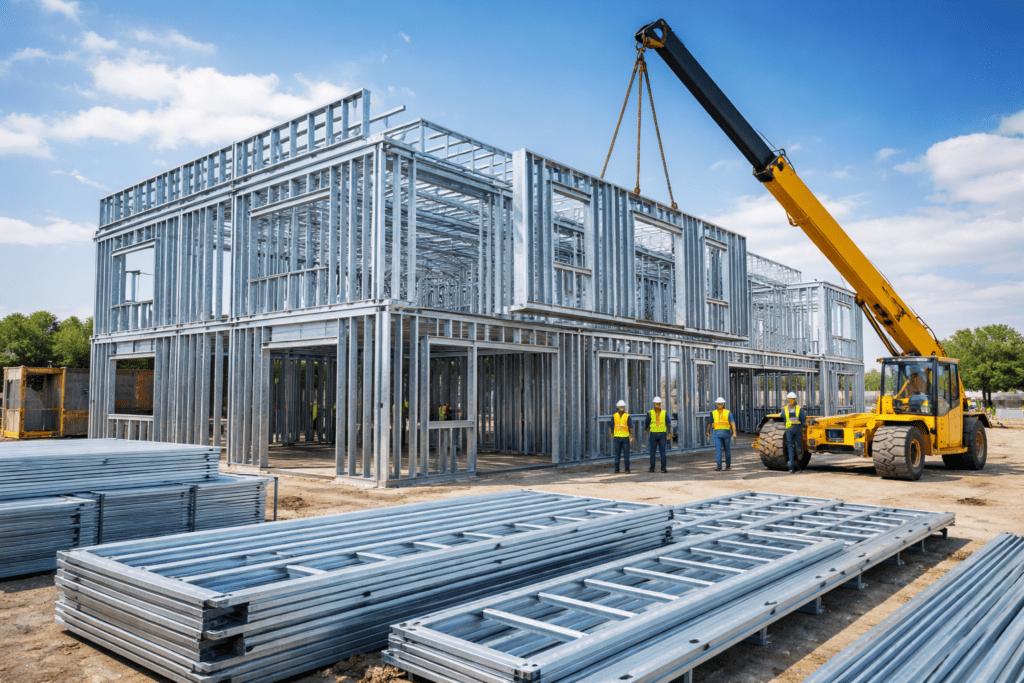
Cold-formed steel systems can be prefabricated and delivered in organized bundles or panels. Crews assemble components quickly with minimal field modification.
Benefits include:
Faster framing timelines
Cleaner job sites
Reduced on-site cutting
Lower labor hours
When building in a backyard with neighbors on both sides, speed reduces complaints and scheduling risks.
Fire Separation and Code Compliance in Toronto
Laneway homes must meet strict fire resistance requirements. Proximity to adjacent properties increases code scrutiny.
Steel framing is non-combustible. This makes it easier to design assemblies that meet fire-rating standards without overcomplicating wall systems.
Builders gain:
Simpler fire compliance planning
Greater structural safety
Reduced long-term fire risk
When evaluating cold-formed steel framing laneway homes Toronto, fire performance becomes a major advantage.
Moisture Resistance and Long-Term Durability
Toronto experiences heavy rain, snow, and freeze-thaw cycles. Laneway homes often sit in areas with limited drainage infrastructure.
Wood absorbs moisture. It can swell, shrink, and twist over time. Steel does not.
Cold-formed steel framing:
Resists mold growth
Does not rot or warp
Maintains structural integrity after drying
Supports long-term stability
For homeowners investing in secondary suites or rental units, durability matters. Fewer structural issues mean lower maintenance costs and stronger resale value.
Design Flexibility for Modern Laneway Living
Laneway homes are not just small structures. They are carefully designed living spaces that maximize square footage.
Steel framing supports:
Open floor plans
Larger window openings
Efficient load distribution
Clean architectural lines
Because components are engineered digitally, adjustments can be made early in the design phase. This reduces surprises during inspection and construction.
Developers building multiple laneway projects also benefit from repeatable design systems. Steel framing allows consistency across projects without sacrificing customization.
Why Builders Choose LSF Pro for Laneway Projects
At LSF Pro, we specialize in engineered cold-formed steel framing systems tailored for Toronto’s urban construction environment.
We provide:
Custom framing layouts for laneway homes
Precision-manufactured steel components
Structural support aligned with Ontario Building Code
Reliable delivery scheduling
Our systems help builders move efficiently from foundation to finishing while maintaining structural confidence.
If you are planning a laneway development or backyard suite, now is the time to evaluate steel framing seriously.
Build Smarter in Toronto’s Laneways
Laneway construction demands efficiency, precision, and durability. Cold-formed steel framing meets those demands while reducing long-term risk.
Instead of adapting traditional materials to urban constraints, choose a system designed for modern density.
Contact LSF Pro today to discuss how cold-formed steel framing laneway homes Toronto can strengthen your next urban infill project.